- Categories :
- More
7 Dental Problems You Can Have Without Knowing It
By:
 Smiles by Dr. A - Tasnim Arsiwala, DMD
| Published 08/30/2026
Smiles by Dr. A - Tasnim Arsiwala, DMD
| Published 08/30/2026



When something is wrong with your body, you usually expect a warning sign. Maybe you feel pain, notice swelling, or simply don't feel like yourself.
Your teeth and gums don't always work that way.
Some dental problems can develop quietly for months—or even years—without causing noticeable pain. By the time you realize something is wrong, the problem may already require more extensive treatment.
That is one of the reasons regular dental visits are so important.
As a dentist serving families in The Woodlands and surrounding communities, I often see patients who are surprised to learn that they have a dental problem they didn't know about.
Here are seven common examples.
1. Cavities
A cavity doesn't necessarily hurt when it first develops.
Early tooth decay can begin as a small area of damage to the enamel. As the decay progresses deeper into the tooth, it can eventually reach the dentin and, in more advanced cases, the nerve.
You may not notice anything until you experience sensitivity, discomfort, or a broken tooth.
Regular dental examinations allow your dentist to look for cavities while they are still small and easier to treat.
2. Gum Disease
Gum disease is another condition that can develop without significant pain.
You might notice that your gums bleed when you brush or floss. You may also have red, swollen, or tender gums, but many people simply assume that occasional bleeding is normal.
It isn't.
Bleeding gums can be an early sign of gum inflammation. If gum disease progresses, it can eventually affect the tissues and bone supporting your teeth.
The earlier gum disease is identified, the easier it generally is to manage.
3. Cracked Teeth
A tooth can develop a crack without immediately causing constant pain.
Sometimes the only sign is a brief, sharp sensation when you bite down or release your bite. Other people notice sensitivity to cold or sweets.
Cracks can become larger over time, particularly when the tooth is exposed to repeated chewing forces.
If you notice unexplained sensitivity or pain when chewing, don't ignore it. Your dentist can evaluate the tooth and determine what may be causing the problem.
4. Worn Tooth Enamel
Your teeth are remarkably strong, but they aren't indestructible.
Years of chewing, grinding, clenching, acidic foods and drinks, and other factors can gradually wear away tooth structure.
You may notice that your teeth look shorter, flatter, thinner, or more yellow than they used to.
Tooth wear can also lead to increased sensitivity and changes in the appearance of your smile.
A dental examination can help identify what is causing the wear and whether treatment is appropriate.
5. Hidden Dental Infections
Dental infections don't always begin with severe pain.
Sometimes an infection develops around the root of a tooth or underneath an old restoration. You might have occasional discomfort—or no obvious symptoms at all.
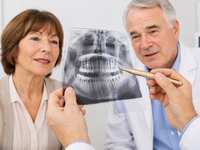
Dental X-rays can sometimes reveal problems that cannot be seen simply by looking in the mouth.
This is one reason X-rays are an important part of a comprehensive dental examination when clinically appropriate.
6. Problems Under Old Dental Work
Crowns, fillings, bridges, and other dental restorations can last for many years, but they don't last forever.
A filling can develop a gap. A crown can become worn. Decay can develop around an existing restoration.
Because these problems can be difficult to see or feel yourself, regular dental examinations are important for monitoring older dental work.
7. Changes in Your Bite
Your bite can change gradually.
Teeth can shift, wear down, become crowded, or move because of missing teeth. Grinding and clenching can also affect the way your upper and lower teeth come together.
You may notice jaw discomfort, headaches, tooth sensitivity, or uneven wear—or you may notice nothing at all.
Your dentist can evaluate your bite as part of your overall oral health.
So, If Nothing Hurts, Do You Really Need to See a Dentist?
Yes.
One of the biggest misconceptions about dental health is that you only need a dentist when something hurts.
Pain can be an important warning sign, but it is not the only one.
Preventive dental care is about finding problems early, protecting the teeth you have, and maintaining your oral health before a small issue becomes a major one.
Your Mouth Can Tell a Story
During a dental examination, we are looking at much more than whether you have a cavity.
We look at your teeth, gums, bite, existing dental work, signs of wear, and changes that may not be obvious to you.
That is why regular dental visits are an important part of maintaining a healthy smile.
When Was Your Last Dental Examination?
If it has been a while since you've had a dental checkup, don't wait for a toothache to make the decision for you.
Dr. Tasnim Arsiwala and the team at Smiles by Dr. A provide comprehensive dental care for patients throughout The Woodlands and surrounding communities.
A healthy smile starts with knowing what is happening inside your mouth—even when you don't feel anything.
Ready for your next dental visit? Contact Smiles by Dr. A to schedule an appointment.