- Categories :
- More
Don’t Let Your Ductwork Become a Hidden HVAC Problem
By:
 Country Air
| Published 07/31/2026
Country Air
| Published 07/31/2026


Your HVAC system depends on ductwork to move conditioned air throughout your home or business. When the ducts are properly sealed, insulated, and maintained, they help deliver cleaner air while supporting consistent comfort and efficient system performance. However, neglected ductwork, poor-quality DIY repairs, air leaks, and excessive buildup inside the system can contribute to higher utility costs, uneven temperatures, and indoor air-quality concerns. For homeowners and businesses in The Woodlands, ductwork is easy to overlook because most of it is hidden above ceilings, behind walls, or inside attic spaces. That does not mean it should be ignored. Your indoor air travels through this network every day, making professional duct inspections and maintenance an important part of protecting your HVAC investment.
4 Problems That Can Develop When Air Ducts Are Neglected
Residents of The Woodlands and surrounding Montgomery County communities rely heavily on air conditioning during much of the year. Regular HVAC maintenance should include evaluating the condition of the duct system, especially when there are signs of restricted airflow, excessive dust, unusual odors, or declining comfort. While extending the life of your HVAC equipment is an important reason to schedule maintenance, addressing ductwork issues can also help support healthier indoor air.
- Dirty or contaminated ducts may circulate unwanted particles throughout the building. Dust, debris, allergens, and other contaminants can accumulate inside ductwork. Depending on the source and severity of the problem, these materials may affect indoor air quality and aggravate respiratory or allergy-related concerns.
- Low-cost duct-cleaning promotions can lead to unexpected charges. Homeowners should be cautious when a company advertises an unusually inexpensive whole-house cleaning without clearly explaining what is included. Some offers cover only a limited number of vents, while the remaining work is presented as a costly add-on after the technician arrives. Before scheduling service, ask for a detailed scope of work, confirm the total price, and find out whether the company guarantees its results.
- Damaged or unsealed ductwork can create openings for pests. Insects and animals may enter attic or crawlspace duct systems when there are gaps, damaged sections, or unsecured connections. Rodents and other pests can leave behind debris or waste that contaminates the system and may require both pest-control services and professional duct cleaning.
- Unrepaired duct leaks can reduce HVAC efficiency. Conditioned air may escape into an attic, wall cavity, or other unconditioned area before reaching the rooms where it is needed. This can contribute to uneven temperatures, longer HVAC run times, increased energy use, and additional strain on heating and cooling equipment.
Why Indoor Air Quality Matters in The Woodlands
Modern homes are often built to reduce unwanted air leakage and improve energy efficiency. Although tighter construction can help control heating and cooling costs, it may also allow indoor pollutants to remain inside longer when ventilation and filtration are inadequate. Because people spend much of their time indoors, the quality of the air inside a home or workplace deserves ongoing attention. The Woodlands area also experiences seasonal pollen, high humidity, changing weather patterns, and periods of elevated outdoor air pollution. These conditions can be especially frustrating for people with allergies, sinus sensitivity, asthma, or other respiratory concerns. Outdoor allergen conditions are commonly described using the following categories:
- None
- Low
- Moderate
- High
- Extreme
During periods of heavy pollen or poor outdoor air quality, keeping windows closed and using a properly maintained HVAC filtration system may help limit the amount of outdoor material entering the home. Homeowners should also monitor local air-quality conditions, particularly when someone in the household is sensitive to airborne particles. Fine particulate matter, commonly identified as PM2.5, consists of very small airborne particles that can affect the eyes, nose, throat, and respiratory system. Air-quality conditions can change from day to day, so residents of The Woodlands and nearby communities should review current local data rather than relying on a past reading. The following table provides a general comparison of communities in the area, but real-time conditions may differ:
| City | Typical AQI Category | Potential Air-Quality Concern | General Consideration |
| The Woodlands | Varies by day | Pollen, PM2.5, and seasonal pollutants | Monitor current conditions when outdoor air quality is a concern |
| Magnolia | Varies by day | Pollen and airborne particulate matter | Sensitive individuals may benefit from checking daily conditions |
| Tomball | Varies by day | Traffic-related and seasonal pollutants | Outdoor activity recommendations may change with the AQI |
| Conroe | Varies by day | Pollen, humidity, and fine particles | Review current readings before prolonged outdoor activity |
How To Maintain Cleaner, More Efficient Ductwork
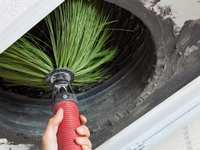
A qualified local HVAC company can inspect your duct system for leaks, damaged sections, insulation concerns, airflow restrictions, and signs that cleaning may be appropriate. Proper duct cleaning requires specialized equipment, adequate time, and a clearly defined process. Depending on the size and layout of the home, the work may take several hours and may require more than one technician. Before approving duct service, ask what areas will be inspected or cleaned, how long the work is expected to take, and whether all costs are included in the written estimate. The following practices can help maintain a cleaner and more reliable air-delivery system:
- Schedule air duct cleaning when there is a clear need. The appropriate frequency depends on the home, its occupants, the number of pets, local conditions, and the presence of unusual dust, odors, contamination, or airflow problems. Duct inspections can also be incorporated into routine HVAC maintenance.
- Replace HVAC air filters on schedule. A clean, properly sized filter helps capture airborne particles before they accumulate inside the equipment and duct system. Check the manufacturer’s recommendations and replace the filter more often when household conditions require it.
- Keep ductwork properly insulated. Insulation is especially important when ducts pass through hot, humid attics or other unconditioned spaces. Proper insulation can reduce energy loss and help limit condensation-related concerns.
- Address unusual signs promptly. Visible debris around vents, persistent musty odors, suspected mold, reduced airflow, or sudden changes in room comfort may indicate that the duct system needs professional attention.
- Have duct leaks repaired using appropriate HVAC materials. A licensed and insured HVAC professional can identify the source of the leak and recommend a durable repair. When approved for the application, mastic sealant or UL-listed foil tape may be used. Ordinary cloth-backed duct tape is not a dependable long-term solution for HVAC duct repairs.
Helping The Woodlands Breathe More Comfortably
The Woodlands offers access to parks, trails, businesses, neighborhoods, and a growing community, but the region’s heat, humidity, seasonal allergens, and outdoor air conditions can make indoor comfort and air quality important priorities. Your HVAC system does more than heat and cool the building—it also supports airflow, filtration, and the overall indoor environment. We care about the comfort of your home or workplace and the quality of the air you breathe. If you have concerns about duct leakage, excessive dust, uneven temperatures, or indoor air quality, schedule a professional ductwork inspection to identify the cause and discuss appropriate solutions.
FAQs
Homeowners in The Woodlands frequently ask the following questions about HVAC ductwork:
Q: What are common signs of a ductwork leak?
A: Higher energy costs, rooms that are difficult to heat or cool, weak airflow, excessive dust, inconsistent temperatures, and unusual sounds when the HVAC system is operating may indicate a ductwork problem. A professional inspection can determine whether leaks or other issues are responsible.
Q: What types of HVAC ductwork are used in homes?
A: Common duct materials include flexible duct, sheet metal, fiberboard, and semi-rigid ducting. The best option depends on the building’s design, available space, HVAC requirements, local code considerations, and the installation plan.
* Air-quality and allergen conditions change frequently and should be verified using current local data. ** For current air-quality information in The Woodlands and surrounding communities, review the EPA AirNow or Texas Commission on Environmental Quality air-quality resources.