- Categories :
- More
August Lawn Care Tips in Texas: Keep Your Lawn Healthy Through the Summer Heat
By:
 Lawn Ranger Company, Inc.
| Published 08/04/2026
Lawn Ranger Company, Inc.
| Published 08/04/2026


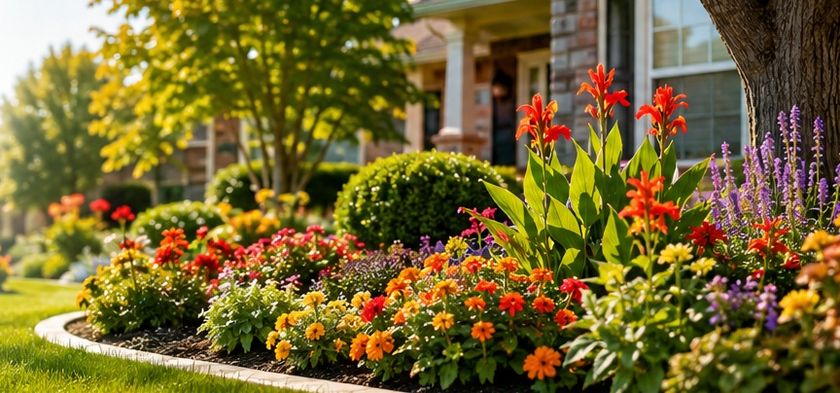
August is one of the toughest months for Texas lawns and landscapes. Weeks of high temperatures, intense sunshine, and inconsistent rainfall can put stress on grass, flowers, shrubs, and even experienced gardeners. While the fall planting season is just around the corner, your landscape still needs proper care to make it through the remaining weeks of summer.
At Lawn Ranger Company, Inc., we know that a little preventative maintenance now can make a big difference when cooler weather arrives. Here are our top August lawn care and landscaping tips to help your property stay healthy and beautiful.
Refresh Your Summer Annual Flowers
Many annual flowers planted in the spring begin to fade by August. If your flower beds or hanging baskets are looking tired, this is a great time to replace heat-stressed plants with varieties that thrive in Texas summer temperatures.
Heat-Tolerant Flowers Under 2 Feet Tall
Consider adding these colorful annuals to your landscape:
- Blue Daze
- Celosia
- Coleus
- Dusty Miller
- Lantana
- Marigolds
- Mexican Heather
- Periwinkle (Vinca)
- Portulaca (Purslane)
- Heat-tolerant Salvias
Taller Heat-Loving Plants
For added height and color, consider:
- Canna
- Four O'Clocks
- Hardy Hibiscus
- Mexican Sunflower
- Rudbeckia
- Mealy Blue Sage
- Shrimp Plant
- Sunflowers
If your existing flowering plants have become leggy or overgrown, prune them back and apply a quality fertilizer. Proper pruning encourages fresh growth and more blooms heading into fall.
Water Your Lawn the Right Way
Proper watering remains one of the most important parts of summer lawn care.
Most Texas lawns need at least one inch of water per week to remain healthy. During extremely hot weather, flower beds and newly planted landscapes may require more frequent watering.
A rainfall doesn't necessarily mean your lawn received enough moisture. Unless your yard receives approximately ½ inch or more of rain, supplemental irrigation is usually necessary.
Check Your Irrigation Coverage
An easy way to test your sprinkler system is to place several cups or shallow containers throughout your yard while the irrigation system runs through a complete cycle.
Each area should receive approximately ½ to 1 inch of water during watering sessions. Watering deeply two or three times each week is generally more effective than frequent shallow watering.
Use the Screwdriver Test
One of the simplest ways to check soil moisture is with a screwdriver.
Push it into the soil after watering. If it easily reaches a depth of about six inches, your lawn is receiving adequate moisture. If it stops well before six inches, it's time to increase watering depth.
Consider Drip Irrigation
Installing drip irrigation in flower beds and landscape areas is an excellent way to conserve water while delivering moisture directly to plant roots. Drip systems are also less affected by many local watering restrictions.
Watch for Common Summer Lawn Problems
Hot, dry weather creates ideal conditions for several lawn pests and diseases.
Chinch Bugs
St. Augustine grass is especially vulnerable to chinch bugs during August. These destructive insects often begin feeding near sidewalks, driveways, and curbs where temperatures are highest. Damaged grass quickly turns brown and can die if left untreated.
Fleas and Fire Ants
While these pests may not damage your lawn, they certainly make spending time outdoors less enjoyable. Regular lawn treatments can help keep these pests under control.
Gray Leaf Spot
Gray leaf spot fungus may also appear during warm, humid weather. Early treatment with an appropriate fungicide can prevent widespread damage and keep your lawn looking its best.
If you're unsure what's affecting your lawn, professional diagnosis and treatment can save both time and money by addressing the problem before it spreads.
Prepare Your Roses for a Beautiful Fall Bloom
Although August isn't the ideal time to plant or transplant roses, it is the perfect time to prepare them for the upcoming fall flowering season.
Late summer fertilization provides the nutrients roses need to produce vigorous new growth and abundant blooms over the next several months.
Prune lightly toward the end of the month and continue monitoring for common rose diseases.
Watch for Black Spot
Black spot remains one of the most common rose diseases in Texas.
Help prevent its spread by:
- Removing yellow or fallen leaves promptly.
- Keeping plants clean and well-pruned.
- Continuing regular insect and disease control treatments.
Healthy rose maintenance now will reward you with spectacular blooms throughout the fall.
Let Lawn Ranger Company Keep Your Landscape Looking Its Best
Summer lawn care in Texas can be challenging, but you don't have to tackle it alone. Whether you need lawn fertilization, weed control, insect treatments, disease management, or professional landscape maintenance, Lawn Ranger Company, Inc. has the experience to keep your lawn green and healthy all season long.
Contact Lawn Ranger Company, Inc. today to learn more about our professional lawn care programs and discover how we can help your landscape thrive through the hottest months of the year.