- Categories :
- More
Is This a Dental Emergency? What to Do and When to Call a Dentist
By:
 Smiles by Dr. A - Tasnim Arsiwala, DMD
| Published 08/31/2026


Dental Emergencies: What to Do When Something Goes Wrong
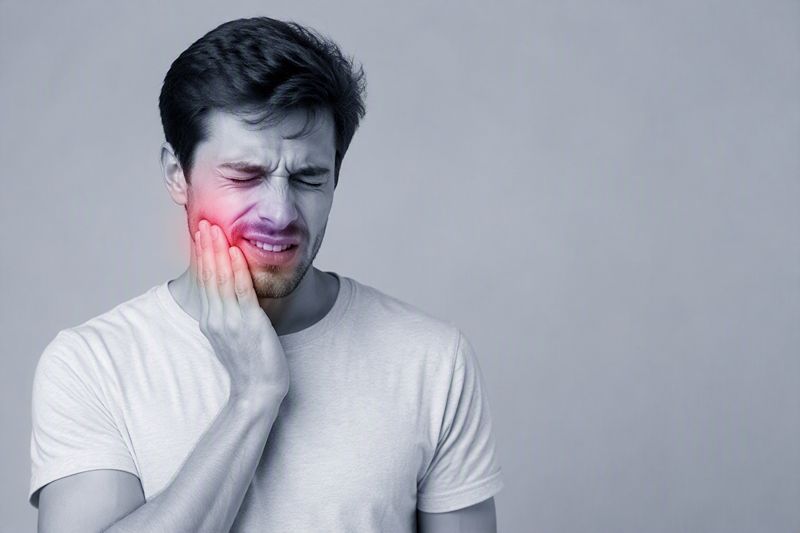
Dental emergencies never happen at a convenient time. A tooth breaks during dinner. You wake up with sudden, intense pain. A filling falls out right before a big event. Your child takes a fall and chips a tooth at practice.
In that moment, the first question is usually the same: "Is this actually a dental emergency?"
Sometimes it's obvious. Other times, it's not. Here's what to look for, what to do while you wait to see a dentist, and when it's time to call one right away — for patients throughout The Woodlands, Spring, Shenandoah, Conroe, Magnolia, Tomball, Oak Ridge North, and surrounding communities.
What Counts as a Dental Emergency?
A dental emergency is anything involving the teeth, gums, or jaw that needs prompt attention to relieve severe pain, stop bleeding, prevent infection, or save a tooth.
Common dental emergencies include:
- Severe or sudden tooth pain
- A knocked-out tooth
- A broken or cracked tooth
- A lost filling or crown
- A dental abscess or facial swelling
- Sports injuries or accidents affecting the teeth or jaw
- Broken dentures
- Soft tissue injuries in the mouth
Important: If facial swelling affects your breathing or swallowing, or you've experienced serious trauma to the face or jaw, seek emergency medical care immediately — before heading to the dentist.
Severe or Sudden Tooth Pain
A mild, occasional toothache usually isn't an emergency. But pain that's severe, sudden, or getting worse shouldn't be ignored.
Significant tooth pain can be caused by:
- Deep tooth decay
- A cracked tooth
- An infection
- Trauma or injury to the tooth
- A problem with an existing filling or crown
- Inflammation of the tooth's nerve
What to do while you wait:
- Rinse gently with warm salt water
- Brush and floss carefully to clear trapped food
- Apply a cold compress to the outside of the face if there's swelling
- Take over-the-counter pain medication as directed (never place aspirin directly on the gums)
Pain medication can make you more comfortable temporarily, but it won't fix the underlying problem. If the pain is significant, call your dentist as soon as possible — even if it fades on its own, since dental infections rarely resolve without treatment.
What If a Tooth Gets Knocked Out?
A knocked-out permanent tooth is one of the few true dental emergencies where every minute counts. Handled correctly, there's a real chance the tooth can be saved.
Steps to follow:
- Pick up the tooth by the crown (the chewing surface) — never the root
- If it's dirty, rinse it gently with milk or clean water (don't scrub it)
- If possible, gently place it back into its socket
- If that's not possible, keep it moist in milk or saliva
- Contact your dentist immediately
Time matters. The best chance of saving a knocked-out tooth is usually within the first 30 to 60 minutes.
A Broken or Cracked Tooth
Teeth can crack from biting something hard, an accident, or simply weakening over time. Even when the damage looks minor, there can be hidden cracks beneath the surface.
Until you reach the dentist:
- Rinse with warm water
- Save any broken pieces if you can
- Apply a cold compress if swelling develops
- Avoid chewing on that side of your mouth
- Cover sharp edges with dental wax if available
Depending on the damage, treatment may involve bonding, a filling, a crown, or another restorative option.
A Lost Filling or Crown
Losing a filling or crown isn't always painful, but it exposes the tooth underneath to bacteria and further damage.
If this happens:
- Keep the crown or filling piece if possible
- Avoid chewing on that side
- Keep the area clean
- Call your dentist promptly
Dental Abscess or Facial Swelling
An abscess is a bacterial infection around the root of a tooth or within the gums, and it should never be ignored — even if the pain temporarily improves.
Watch for:
- Swelling of the face, gums, or jaw
- Persistent, throbbing pain
- Fever
- A bad taste in the mouth
- Pus drainage
- Sensitivity while biting
- Swollen lymph nodes
Because dental infections can spread beyond the mouth, prompt treatment matters. If swelling is severe, spreading quickly, or affecting your breathing or swallowing, seek emergency medical care right away.
Sports Injuries and Dental Trauma
Whether it's football, soccer, volleyball, or baseball season, sports-related dental injuries are common — and often preventable. A custom-fitted mouthguard offers far better protection than a store-bought one and can significantly reduce the risk of:
- Broken teeth
- Knocked-out teeth
- Lip injuries
- Jaw injuries
Even if a tooth looks fine after an impact, there can be damage beneath the surface. A dental evaluation is the only way to be sure.
What Usually Isn't a Dental Emergency?
Not every dental issue needs same-day treatment. Mild sensitivity that's stayed the same for months, for example, usually doesn't require an emergency visit. That said, anything persistent or worsening should still be checked out. When in doubt, call your dentist and describe what happened — they can help you decide the right next step.
What Should Be in a Home Dental Emergency Kit?
A few basic supplies can make a real difference in the moment:
- Gauze
- A clean, sealable container
- Over-the-counter pain medication you can safely take
- Dental floss
- A cold compress
Avoid placing aspirin directly against a tooth or gum — it can irritate the tissue.
When Should You Call an Emergency Dentist?
A simple rule of thumb: if something happened suddenly, is causing significant pain, involves bleeding or swelling, or could permanently damage a tooth, contact a dental professional right away.
Call your dentist immediately if you experience:
- Tooth pain lasting more than a day
- Significant facial swelling
- A knocked-out permanent tooth
- Uncontrolled bleeding
- A broken tooth with severe pain
- Signs of infection or abscess
The sooner a problem is evaluated, the more treatment options are usually available — and the better the chances of saving the tooth.
How Can You Prevent Dental Emergencies?
Accidents happen, but many dental emergencies are preventable:
- Visit your dentist every six months
- Brush twice daily with fluoride toothpaste
- Floss every day
- Wear a custom mouthguard during sports
- Avoid chewing ice and hard candy
- Never use your teeth to open packages
- Address small dental problems before they become bigger ones
Did you know? Many dental emergencies start as small issues patients put off treating. Regular checkups often catch these problems early, before they become painful or require emergency care.
Frequently Asked Questions
Should I go to the emergency room for a toothache? Most toothaches should be evaluated by a dentist, not an ER. However, if swelling is affecting your breathing or swallowing, or you've had serious facial trauma, seek emergency medical care right away.
Can a knocked-out tooth really be saved? Yes. Handled quickly and correctly, many knocked-out permanent teeth can be successfully reimplanted — but time is critical.
Is a chipped tooth a dental emergency? Small chips may not need same-day care, but larger fractures, pain, or an exposed nerve should be evaluated as soon as possible.
How do I manage dental pain until my appointment? Rinse with warm salt water, use a cold compress if there's swelling, and take over-the-counter pain medication as directed.
What's the best way to avoid dental emergencies? Regular checkups, good daily oral hygiene, wearing a mouthguard during sports, and treating small issues early are your best defenses.
Trusted Emergency Dental Care in The Woodlands
Dental emergencies are stressful, but knowing how to respond makes all the difference. Having an established relationship with a dentist before an emergency happens means faster, more personalized care exactly when you need it most.
At Smiles by Dr. A, Dr. Tasnim Arsiwala and our team provide comprehensive family, cosmetic, restorative, and emergency dental care for patients throughout The Woodlands, Spring, Shenandoah, Conroe, Magnolia, Tomball, Oak Ridge North, and surrounding communities.
Your teeth don't come with a warning light — so when something doesn't feel right, don't wait it out.
Contact Smiles by Dr. A today to discuss your dental concern and find out the right next step.
📞 Call: 281-336-9271 🌐 Website: smilesbydra.com