- Categories :
- More
The Hive Is So Much More Than Honey!
By:
 The Woodlands Institute for Health & Wellness - Mila McManus MD
| Published 09/03/2026
The Woodlands Institute for Health & Wellness - Mila McManus MD
| Published 09/03/2026


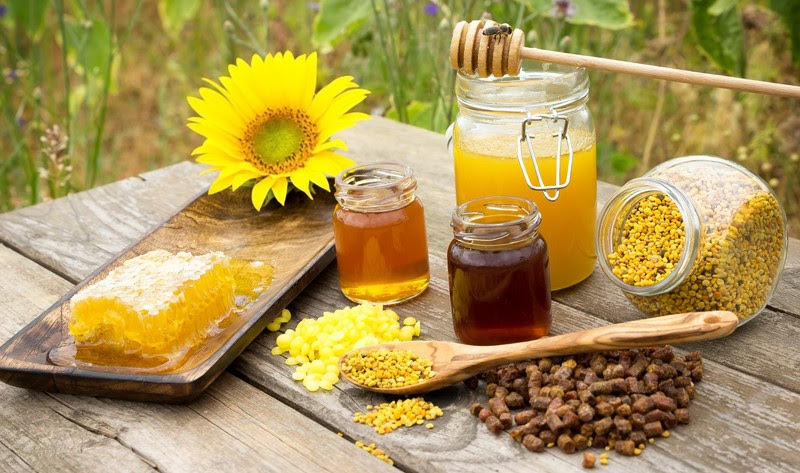
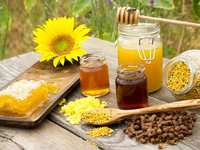
When we think about bees, we usually think about honey. But a beehive produces much more than a sweetener. Honey, propolis, royal jelly, pollen, beeswax—and even bee venom—have all been used throughout history for health and healing.
We had the opportunity to learn more about this fascinating subject from Cyrus Nasr of Hive Bee Farm, a full-time beekeeper who has studied apitherapy for years. His presentation, “Apitherapy: The Hive as a Medicine Cabinet,” opened our eyes to a whole world of natural products coming from the hive.
What Is Apitherapy?
Apitherapy is the use of honeybee products for therapeutic purposes. It is not simply “bee sting therapy,” although bee venom has received considerable attention.
Honey has antimicrobial and wound-healing properties and has been studied particularly well in burns and wounds. Importantly, medical-grade honey is used in clinical wound care, which is different from simply putting grocery-store honey on an open wound.
Propolis is a resinous substance bees collect from plants to protect their hive. It contains numerous plant compounds, including polyphenols and flavonoids, and research has found antimicrobial, antioxidant and anti-inflammatory properties. Human studies have explored its use in oral health, periodontal disease and wound healing.
Royal jelly has been studied for possible effects on inflammation, metabolism, cholesterol and menopausal symptoms. The human evidence is still developing, but some recent studies are intriguing.
And then there is bee venom.
What About Bee Venom?
This is probably the most surprising part of apitherapy. Bee venom contains biologically active compounds such as melittin and phospholipase A2 that can influence inflammation and pain pathways.
A 2025 systematic review examined 20 randomized controlled trials of bee-venom acupuncture for musculoskeletal pain. The researchers found significant reductions in pain compared with sham treatment.
Another 2025 systematic review examined bee venom injections for Parkinson’s disease. Twelve studies involving 215 patients were included, and they reported improvements in at least some outcomes. However, the studies were relatively small and varied in dosage and treatment methods, so larger, standardized trials are still needed.
This is where the story gets particularly interesting: modern research is beginning to investigate some of the therapeutic practices that have been used with bee products for centuries. We don’t have all the answers, but the emerging science gives us good reason to keep asking questions.
Learning From the Hive
Cyrus has spent years learning about bees and the many products they create. Through his work with people, he has also seen apitherapy used for concerns ranging from arthritis and pain to nerve issues and other chronic conditions, thus the concept of a medicine cabinet.
His experience gives us another perspective on why interest in apitherapy continues to grow. It also reminds us that sometimes modern science catches up with practices that have been part of traditional healing for generations.
A Word of Caution
Natural does not automatically mean harmless. Bee venom can cause serious allergic reactions, including anaphylaxis. Anyone considering bee venom therapy should work with a properly trained professional and understand the potential risks.
The hive is certainly more fascinating than we may have realized.
Want to explore some of the products Cyrus and Hive Bee Farm produce? Their honey, honeycomb, and other bee-related products are available directly through their website. These products are not sold through our office, but you can learn more and shop directly from Hive Bee Farm.
Bee Curious. Bee Well! 🐝
References & Resources
- Sung SH, et al. Bee venom acupuncture for musculoskeletal pain conditions: an updated systematic review and meta-analysis. BMC Complementary Medicine and Therapies. 2025. PubMed — Bee Venom Acupuncture for Musculoskeletal Pain
- Jeong H, Kim KH, Ko SG. Effectiveness of Bee Venom Injection for Parkinson’s Disease: A Systematic Review. Toxins. 2025. PubMed — Bee Venom and Parkinson’s Disease
- American Apitherapy Society — nonprofit educational organization focused on honeybee products, research and responsible apitherapy.
- Hive Bee Farm — Cyrus Nasr’s local honey and bee-product business.