- Categories :
- More
Polyphenols: A Perfect Food Pharmacy
By:
 The Woodlands Institute for Health & Wellness - Mila McManus MD
| Published 07/01/2026
The Woodlands Institute for Health & Wellness - Mila McManus MD
| Published 07/01/2026


When most people think about the Mediterranean Diet, they picture olive oil, fresh vegetables, fish, nuts, and colorful meals shared with family and friends. While all of those foods matter, research suggests one group of plant compounds may be the real secret behind many of the diet’s remarkable health benefits: polyphenols.
Polyphenols are natural compounds that plants produce to protect themselves from insects, disease, UV exposure, and environmental stress. When we eat these foods, we benefit from those same protective compounds. Polyphenols are nature’s perfect pharmacy right in your food.
What Do Polyphenols Do?
Better than pharmaceuticals, polyphenols help:
• Calm inflammation throughout the body
• Protect cells from oxidative stress and free radical damage
• Feed beneficial gut bacteria and support the microbiome
• Support heart, brain, and metabolic health
• Promote healthy aging
Many researchers now believe polyphenols are one reason the Mediterranean Diet is consistently linked to longevity and lower rates of chronic disease. This is one reason a colorful, plant-rich forward diet is better than any pill – the polyphenols!
Where Are Polyphenols Found?
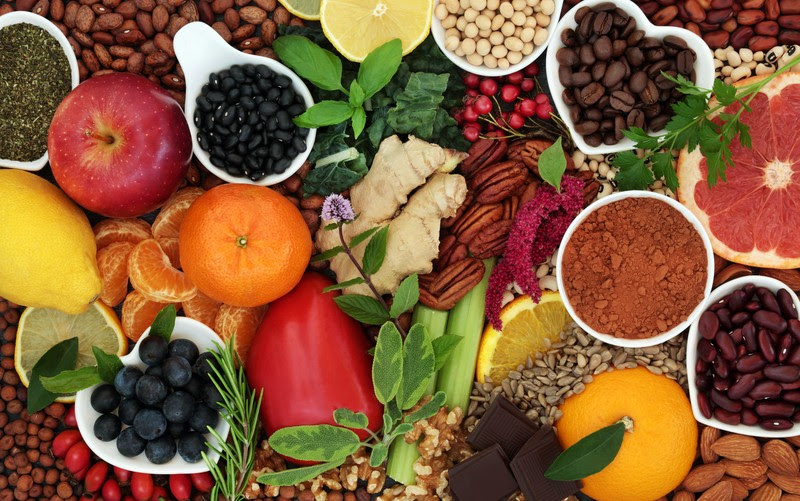
Polyphenols are abundant in foods we regularly encourage patients to eat:
• Extra virgin olive oil (see below how to purchase)
• Berries and pomegranates
• Colorful vegetables and leafy greens
• Herbs and spices
• Green tea and coffee
• Dark chocolate
• Nuts
• Lentils and beans
A simple rule: the more colorful, flavorful, bitter, or aromatic a plant food is, the more likely it is to contain beneficial polyphenols.
Why Olive Oil Is Different
Mediterranean Diet expert Dr. Simon Poole describes polyphenols as “probably the most important things you eat you’ve never heard of.”
Extra virgin olive oil sits at the center of the Mediterranean Diet because it provides two powerful benefits at the same time:
• Heart-healthy monounsaturated fats
• A rich concentration of polyphenols
That peppery sensation in the back of your throat from a high-quality olive oil? That’s often a sign of polyphenols such as oleocanthal and hydroxytyrosol. In many cases, the slight bitterness people avoid is evidence of the compounds that make olive oil so beneficial.
The Real Mediterranean Advantage
The Mediterranean Diet is more than just olive oil, vegetables, or fish. Its power comes from combining many polyphenol-rich foods that work together to reduce inflammation, support the microbiome, and protect cells from damage. Polyphenols are better than the pharmacy and right at your fingertips.
Extra-virgin olive oil, vegetables, herbs, spices, legumes, nuts, fruits, coffee, and tea all contain rich levels of polyphenols and contribute to protective effects.
Simple Ways to Increase Polyphenols
You don’t have to move to the Mediterranean to experience the benefits.
• Use extra virgin olive oil as your primary fat (see below for how to purchase)
• Add herbs and spices generously.
• Eat berries several times per week.
• Include colorful vegetables at every meal.
• Enjoy nuts and legumes regularly.
• Drink green tea.
• Choose dark chocolate instead of sugary desserts.
The goal isn’t perfection—it’s simply increasing the variety and frequency of polyphenol-rich foods in your diet.
By the way, high polyphenol olive oils can tolerate more heat than cheap or adulterated olive oils. Thus, if polyphenol levels are high, olive oil can be used very safely and healthfully for a medium-heat, short sauté. This is a small shift in our position due to the availability of tested and verified high polyphenol olive oils. We would still advise against using it at temperatures above 350 degrees or for durations exceeding 15 minutes. Butter, ghee, and beef tallow are all better used for those circumstances. Read more here.
Choosing a Polyphenol-Rich Olive Oil
As interest in polyphenols has grown, some olive oil producers now publish independent testing results, helping consumers identify fresh, high-quality oils.
When shopping, look for:
• A harvest date
• Extra virgin olive oil (EVOO) designation
• Dark glass bottles or tins
• Independent laboratory testing
• Published polyphenol results
• A peppery, slightly bitter finish
One excellent example close to home is Texas Olive Ranch. Their annual testing reports typically show polyphenol levels ranging from approximately 450–550 mg/kg, along with harvest and quality data.
Additional producers that publish testing information include:
• Texas Olive Ranch – https://texasoliveranch.com
• Oliva Pure – https://www.olivapure.com/pages/lab-results
• Deliba Olive Oil – https://delibaoliveoil.com/pages/high-polyphenol-olive-oil
• 7Thirty High Phenolic Olive Oil – https://7thirty.ca
That said, Dr. Poole cautions against making olive oil a numbers game. Polyphenol levels naturally vary with olive variety, harvest timing, climate, storage, and processing. Freshness, quality, and consistent use matter more than chasing the highest score.
The Bottom Line
The Mediterranean Diet’s greatest secret may not be its fat content, protein balance, or calorie count. More likely, it is the perfect food pharmacy found in the thousands of plant compounds, called polyphenols, working quietly behind the scenes to reduce inflammation, nourish the microbiome, protect our cells, and support healthy aging.
As Dr. Poole teaches, health doesn’t come from a single superfood. It comes from regularly eating a wide variety of polyphenol-rich foods—with extra virgin olive oil serving as one of the most powerful and delicious ways to get them.
Eat Polyphenol-Rich. Be Well.
References
Poole, S., & Ridgway, J. (2021). The Real Mediterranean Diet. Cambridge Academic.
Dr. Simon Poole. Extra Virgin Olive Oil – The Heart of the Mediterranean Diet.
Gorzynik-Debicka, M., et al. (2018). Olive oil and health: The role of polyphenols. Nutrients.