- Categories :
- More
Parsley: An Overlooked Superfood
By:
 The Woodlands Institute for Health & Wellness - Mila McManus MD
| Published 07/23/2026
The Woodlands Institute for Health & Wellness - Mila McManus MD
| Published 07/23/2026


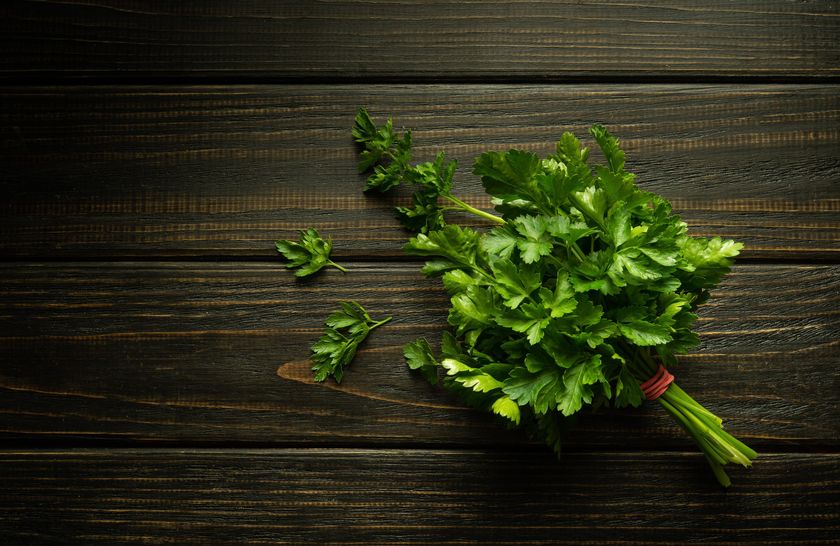
When you think of parsley, you probably picture the small sprig decorating the edge of a dinner plate. For decades, parsley has been treated like an afterthought garnish to push aside. But research tells a different story. This humble herb is one of the most nutrient-dense foods you can add to your meals, delivering a surprising number of vitamins, minerals, antioxidants, and plant compounds in every handful. Parsley is an overlooked superfood!
Don’t overlook the power of deep green herbs. Fresh parsley is one of the easiest—and least expensive—ways to boost the nutritional value of nearly any meal.
Why Parsley Deserves a Place on Your Plate
Parsley is exceptionally rich in nutrients that many Americans don’t consume enough of.
Just a handful provides:
- Vitamin K to support healthy bones and proper blood clotting.
- Vitamin C to strengthen the immune system and help produce collagen.
- Vitamin A from beta-carotene for healthy skin, vision, and immune function.
- Folate, important for healthy cell growth and DNA repair.
- Potassium, calcium, magnesium, and iron in smaller but meaningful amounts.
Even though parsley is usually eaten in small amounts, those nutrients add up when you make it a regular part of your diet, thus making it a superfood.
Packed with Protective Plant Compounds
Parsley is loaded with polyphenols, flavonoids, and carotenoids that help protect our cells from oxidative stress. It earns its superfood designation due to its particular richness in apigenin and luteolin, plant compounds that are being studied for their anti-inflammatory, antioxidant, and healthy-aging properties.
These natural compounds may help:
- Support cardiovascular health
- Protect brain cells from oxidative damage
- Promote healthy blood sugar balance
- Help calm chronic inflammation
- Support healthy cellular aging
While parsley isn’t a medicine by itself, it is another example of how food truly becomes information for the body.
A Friend to Your Liver and Kidneys
Parsley has long been used in traditional medicine to support the body’s natural detoxification systems. While the word “detox” is often overused, your liver and kidneys work around the clock filtering waste products and processing toxins.
Parsley’s antioxidants help protect these organs from oxidative stress, while its mild natural diuretic effect may help the body eliminate excess fluid without significantly depleting potassium like many pharmaceutical diuretics can. Regular consumption of nutrient-rich herbs like parsley is one simple way to nourish and support your liver and kidneys.
Should You Buy Organic?
Whenever possible, yes.
Because parsley has many delicate leaves with a large surface area, pesticide residues can remain on the plant after harvesting. Organic parsley helps reduce exposure to agricultural chemicals while preserving the beneficial nutrients you’re seeking.
If organic isn’t available:
- Wash thoroughly under cool running water.
- Soak for several minutes in water with a splash of vinegar or baking soda before rinsing.
- Buy fresh, vibrant bunches rather than wilted ones.
Growing parsley at home is also surprisingly easy. A small pot on a sunny windowsill can provide fresh herbs for months.
Creative Ways to Eat More Parsley
Instead of using parsley as a garnish, think of it as a vegetable.
Try adding generous handfuls to:
- Green salads
- Potato salad
- Egg salad and chicken salad
- Scrambled eggs or omelets
- Soups just before serving
- Roasted vegetables
- Chimichurri sauce for grilled meats or vegetables
- Fresh salsa
- Cottage cheese or Greek yogurt dips
One refreshing favorite is a grapefruit-parsley smoothie:
Blend together:
- ¼ to ½ peeled grapefruit, depending on size
- 1 packed cup fresh parsley
- Scoop of collagen powder if desired
- ½ scoop unflavored or vanilla protein powder
- Juice of a lime
- Ice
- Green, herbal tea, or water to desired consistency
The result is bright, refreshing, and packed with vitamin C and antioxidants.
You can also freeze chopped parsley in olive oil using ice cube trays. Drop a cube into soups, sauces, or sautéed vegetables for an instant nutrient boost.
Small Herb. Big Benefits.
Parsley reminds us that even the smallest daily habits matter. A handful added to your lunch, dinner, or smoothie may seem insignificant, but over weeks, months, and years, those nutrient-rich choices help build a stronger foundation for long-term health.
Don’t let parsley remain a garnish. Let it become one of the simplest—and most powerful superfoods you eat every week.
Eat parsley. Be well.
References (APA)
- Farzaei, M. H., Abbasabadi, Z., Ardekani, M. R. S., Rahimi, R., & Farzaei, F. (2013). Parsley: A review of ethnopharmacology, phytochemistry and biological activities. Journal of Traditional Chinese Medicine, 33(6), 815–826.
- National Institutes of Health, Office of Dietary Supplements. (2025). Vitamin K Fact Sheet for Health Professionals.
- National Institutes of Health, Office of Dietary Supplements. (2025). Vitamin C Fact Sheet for Health Professionals.
- U.S. Department of Agriculture. FoodData Central: Parsley, Fresh.
- Santana-Gálvez, J., Cisneros-Zevallos, L., & Jacobo-Velázquez, D. A. (2017). Chlorophylls and phenolic compounds in green leafy vegetables and herbs. Food Research International.