- Categories :
- More
How Smoking and Vaping Damage Your Oral Health | The Woodlands, TX
By:
 Smiles by Dr. A - Tasnim Arsiwala, DMD
| Published 09/16/2026
Smiles by Dr. A - Tasnim Arsiwala, DMD
| Published 09/16/2026


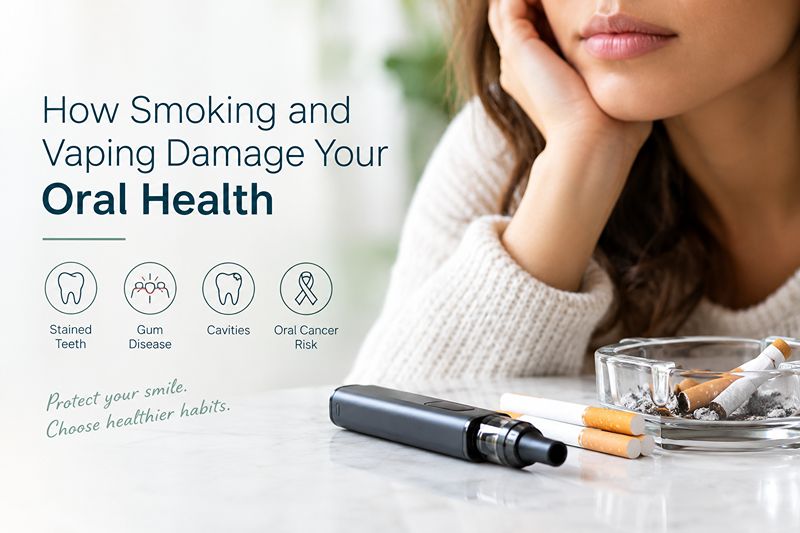
How Smoking and Vaping Damage Your Oral Health
By Dr. Tasnim Arsiwala, Smiles by Dr. A – The Woodlands, TX
Does smoking or vaping damage your teeth and gums? Yes. Smoking and other tobacco use are strongly associated with gum disease, tooth loss, cavities, delayed healing, tooth discoloration, and oral cancer. Vaping is not harmless either. E-cigarette aerosol can expose the mouth to nicotine and other chemicals, and researchers continue to study its long-term effects on oral health.
For patients in The Woodlands, TX, understanding how tobacco and nicotine affect the mouth can help you recognize problems earlier and make informed decisions about your dental health.
How Does Smoking Affect Your Oral Health?
Smoking affects much more than the appearance of your smile. Tobacco use can interfere with the body's ability to fight infection and heal damaged tissues, making smokers more vulnerable to gum disease and making periodontal treatment less successful.
Here are some of the most common oral health concerns associated with smoking.
1. Smoking Increases the Risk of Gum Disease
Smoking is an important risk factor for periodontal disease. It can make it harder for your body to fight the bacteria associated with gum infections and can interfere with healing.
Gum disease can progress from gingivitis to periodontitis, which can damage the bone and tissues supporting your teeth. Periodontitis is a leading cause of tooth loss.
Signs of gum disease can include:
-
Red or swollen gums
-
Bleeding when brushing or flossing
-
Persistent bad breath
-
Gum recession
-
Sensitive or loose teeth
-
Pain when chewing
Importantly, gum disease does not always cause obvious symptoms in its early stages. Regular dental examinations can help identify problems before they become more advanced.
2. Smoking Can Contribute to Tooth Loss
Because smoking increases the risk of serious gum disease, it can ultimately increase the risk of losing teeth.
Smoking can also make periodontal treatment less successful and delay healing after dental procedures.
3. Smoking Can Increase the Risk of Cavities
Smoking is associated with a higher prevalence of untreated tooth decay. According to the CDC, more than 40% of U.S. adults ages 20–64 who currently smoke have untreated cavities, compared with about 20% of adults who have never smoked.
Dry mouth, changes in the oral environment, and tobacco-related behaviors can all contribute to an increased risk of dental problems.
4. Smoking Stains Teeth and Causes Bad Breath
Tobacco products can cause noticeable tooth discoloration and persistent tobacco odor.
Professional dental cleanings can remove plaque, tartar, and many surface stains. Depending on the type and severity of discoloration, professional teeth whitening may also help improve the appearance of tobacco-stained teeth.
5. Smoking Increases Oral Cancer Risk
Tobacco use is an important risk factor for cancers of the mouth and throat. NIDCR identifies tobacco use—including cigarettes and electronic cigarettes—as a risk factor for oral cancers.
That is one reason routine dental examinations are important. During a comprehensive dental exam, your dentist can examine the tissues of your mouth for unusual changes that may require further evaluation.
Is Vaping Bad for Your Teeth and Gums?
Yes. Vaping should not be considered harmless to your oral health.
E-cigarettes heat liquid into an aerosol that may contain nicotine and other potentially harmful substances. Researchers are still studying the long-term effects of vaping, but current evidence raises concerns about its effects on oral tissues.
If you vape, it is important to tell your dentist so your oral health can be monitored appropriately.
How Can Vaping Affect Your Mouth?
Potential oral health concerns associated with vaping include:
-
Dry mouth symptoms
-
Gum irritation and inflammation
-
Increased risk of dental problems
-
Exposure of oral tissues to nicotine and other chemicals
-
Potential effects on the cells lining the mouth
Research into the long-term oral effects of vaping is ongoing. For that reason, it is more accurate to say that vaping may contribute to oral health problems rather than claim that every specific dental condition is directly caused by vaping.
Does Nicotine Affect Your Gums?
Yes. Nicotine can affect blood flow and the body's response to infection and healing.
For dental patients, this is particularly important when gum disease or dental procedures are involved. Tobacco use can delay healing and make periodontal treatment less successful.
This is one reason your dentist may ask about smoking, vaping, nicotine pouches, or other tobacco and nicotine products during your medical and dental history.
Your dentist is not asking to judge you. The information helps your dental team understand your risk factors and provide appropriate care.
Can Your Dentist Tell If You Smoke or Vape?
Your dentist may notice signs that are associated with tobacco or nicotine use, but an oral examination alone cannot always determine whether someone smokes or vapes.
Possible findings may include:
-
Tooth discoloration
-
Persistent bad breath
-
Gum inflammation
-
Gum recession
-
Signs of periodontal disease
-
Dry mouth
-
Changes in oral tissues
Being honest with your dentist about tobacco or nicotine use allows your dental team to provide more appropriate preventive care.
Does Quitting Smoking Improve Your Oral Health?
Yes. Quitting tobacco can reduce health risks and can help protect your oral health.
The CDC recommends quitting tobacco use, and dental professionals can play an important role in helping patients access cessation resources.
If you currently smoke or vape, you do not have to wait until you have a dental problem to talk with your dentist. Your dental team can help you understand how tobacco use may be affecting your teeth and gums and can direct you toward appropriate cessation resources.
For free smoking-cessation support, the CDC's 1-800-QUIT-NOW service connects people with state-based quitline resources.
How Can You Protect Your Teeth and Gums If You Smoke or Vape?
If you currently smoke or vape, regular preventive dental care is especially important.
You can help protect your oral health by:
-
Brushing twice a day with fluoride toothpaste
-
Cleaning between your teeth every day
-
Drinking plenty of water
-
Limiting sugary foods and beverages
-
Scheduling regular dental examinations and professional cleanings
-
Asking your dentist about signs of gum disease
-
Having regular oral cancer screenings
-
Discussing tobacco and nicotine use openly with your dental team
-
Considering evidence-based resources to help you quit
Good oral hygiene cannot completely eliminate the risks associated with tobacco use, but it can help you identify and manage dental problems earlier.
When Should You See a Dentist?
Make an appointment with your dentist if you notice:
-
Gums that bleed regularly
-
Persistent mouth sores
-
A lump or thickened area in the mouth
-
Red or white patches
-
Unexplained mouth or throat pain
-
Persistent bad breath
-
Loose teeth
-
Changes in your bite
-
Difficulty chewing or swallowing
NIDCR recommends having persistent mouth or throat changes evaluated, particularly when symptoms such as a sore, lump, or red or white patch last for more than two weeks.
Frequently Asked Questions About Smoking, Vaping and Oral Health
Does smoking cause gum disease?
Smoking is a major risk factor for gum disease and can make it harder for the body to fight infection and heal after periodontal treatment.
Does vaping cause cavities?
Vaping may contribute to conditions that increase the risk of dental problems, but the relationship between vaping and cavities is still being studied. Oral hygiene, diet, saliva, and other factors also influence cavity risk.
Is vaping better for your teeth than smoking?
Vaping and smoking are different exposures, and research into the long-term oral effects of vaping is still developing. Vaping should not be considered harmless to your mouth or a risk-free alternative to tobacco use.
Can smoking make your gums bleed?
Smoking can increase the risk of gum disease and can alter the body's inflammatory response. A lack of obvious bleeding does not necessarily mean your gums are healthy, so regular periodontal examinations remain important.
Can smoking cause tooth loss?
Yes. Smoking increases the risk of serious gum disease, which can damage the bone and tissues supporting your teeth and ultimately contribute to tooth loss.
Can smoking cause oral cancer?
Yes. Tobacco use is a major risk factor for cancers of the mouth and throat.
Does quitting smoking help your gums?
Quitting tobacco removes an important risk factor for gum disease and can support better healing after periodontal treatment.
Should I tell my dentist that I vape?
Yes. Your dentist should know about smoking, vaping, nicotine use, and other tobacco products because this information can help with risk assessment, preventive care, and treatment planning.
How often should smokers have a dental exam?
The appropriate frequency depends on your oral health, periodontal condition, risk factors, and treatment needs. Your dentist can recommend an examination and cleaning schedule based on your individual needs.
Can a dentist help me quit smoking?
Dental professionals can provide education, discuss tobacco cessation, and connect patients with evidence-based cessation resources.
Protect Your Smile With Regular Dental Care in The Woodlands
Smoking and vaping can affect your teeth, gums, oral tissues, and overall oral health. If you smoke or vape, regular dental examinations are an important part of identifying gum disease, tooth decay, oral tissue changes, and other problems early.
At Smiles by Dr. A in The Woodlands, TX, we provide cosmetic, family, and restorative dentistry with an emphasis on preventive care and long-term oral health.
If you are concerned about smoking, vaping, gum disease, tooth discoloration, or changes in your mouth, schedule a dental examination so we can evaluate your oral health and discuss your options.
Your mouth is often the first place where tobacco-related changes become visible. Don't ignore what your smile is telling you.