- Categories :
- More
Mushrooms: A Fascinating Fungus Among Us!
By:
 The Woodlands Institute for Health & Wellness - Mila McManus MD
| Published 04/01/2026
The Woodlands Institute for Health & Wellness - Mila McManus MD
| Published 04/01/2026


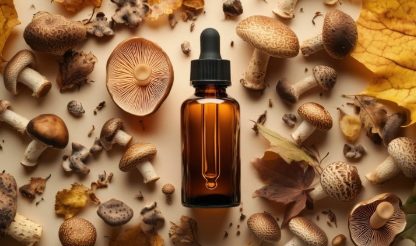
Mushrooms are having a moment—and for good reason. Long valued in traditional healing systems, these fascinating fungi are now gaining recognition in functional medicine for their wide-ranging benefits. From supporting immune balance to enhancing cognitive function, mushrooms offer a unique combination of nutrients and bioactive compounds that can nourish and protect the body in powerful ways.
But not all mushrooms are created equal. Broadly, they fall into two categories: edible (culinary) mushrooms and medicinal mushrooms. Both play important roles in a whole-person, integrative approach to health.
Edible Mushrooms: Everyday Nutritional Powerhouses
Common culinary mushrooms are more than just a flavorful addition to meals—they are packed with nutrients that support overall wellness.
- Rich in antioxidants like ergothioneine and glutathione, which help combat oxidative stress and cellular aging
- Provide B vitamins (especially riboflavin and niacin) that support energy production and nervous system health
- Contain minerals such as selenium, copper, and potassium for immune and metabolic support
- Offer prebiotic fibers that help nourish the gut microbiome
- Low in calories but high in satiety, supporting weight management
Some popular edible varieties include:
- Button and cremini mushrooms – widely available and versatile, offering foundational nutrition
- Portobello mushrooms – meaty texture makes them a plant-based alternative to meat
- Shiitake mushrooms – contain lentinan, a compound studied for immune support
- Oyster mushrooms – may support heart health through cholesterol-lowering effects
In a functional medicine framework, these mushrooms contribute to foundational health—supporting detoxification, gut balance, and inflammation regulation. Though mushrooms can be eaten raw (except portobello recommended to always be cooked), cooked mushrooms are more bioavailable, easier to digest, and safer overall.
Medicinal Mushrooms: Targeted Therapeutic Support
Medicinal mushrooms have been used for centuries in systems like Traditional Chinese Medicine and Ayurveda. Today, research is uncovering how these fascinating fungi interact with the immune and nervous systems, as well as cellular signaling pathways.
Here are some of the most well-studied medicinal mushrooms and their key benefits:
Reishi
- Supports immune modulation (not just stimulation)
- May help regulate stress response and improve sleep quality
- Contains triterpenes with anti-inflammatory properties
Lion’s Mane
- Supports brain health and cognitive function
- Stimulates nerve growth factor (NGF), which plays a role in neuroplasticity
- May help with memory, focus, and mild cognitive decline
Cordyceps
- Enhances cellular energy production (ATP)
- Supports stamina, endurance, and oxygen utilization
Chaga
- Extremely high in antioxidants
- Supports immune defense and reduces oxidative stress
- May help regulate inflammation
Turkey Tail
- Studied for immune support, particularly in integrative oncology settings
- Helps support gut microbiome diversity
How to Incorporate Mushrooms
- Add culinary mushrooms to soups, vegetable stir-fries, eggs, salads, and roasted dishes
- Use dried medicinal mushrooms to make teas or broths
- Consider high-quality extracts or powders for targeted support (look for dual-extracted products for potency). Rotate different types to benefit from a broad spectrum of compounds
- When looking for medicinal mushroom options, choose filler-free, no GMOs, organic, gluten-free, high-quality products! We offer Shroomworks Master Blend unflavored liquid that contains turkey tail, cordyceps, and lion’s mane, and is very easy to add to morning coffee, tea, or any beverage. Another option is Stamets-7 mushroom powder.
Mushrooms are Modulators
From a functional medicine standpoint, mushrooms are not just “superfoods”—they are modulators. Rather than forcing the body in one direction, many medicinal mushrooms help restore balance (homeostasis), especially within the immune system.
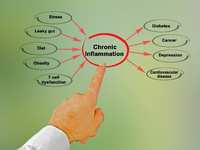
This is particularly relevant in today’s world, where chronic stress, environmental toxins, and processed foods can disrupt immune function and contribute to what we call “inflammaging”—a persistent inflammatory state.
Mushrooms bridge the gap between food and medicine. Whether you’re sautéing shiitakes for dinner or adding lion’s mane to your morning routine, these fungi offer a simple, natural way to support whole-body health—from the gut to the brain to the immune system.
Let’s include this fascinating fungus among us! Be Well.
References
Valverde, M. E., et al. (2015). Edible mushrooms: Improving human health and promoting quality life. International Journal of Microbiology.
Wasser, S. P. (2010). Medicinal mushroom science: History, current status, future trends. International Journal of Medicinal Mushrooms.
Jayachandran, M., et al. (2017). A critical review on health-promoting benefits of edible mushrooms. Journal of Food Composition and Analysis.
Friedman, M. (2016). Mushroom polysaccharides: Chemistry and anti-cancer properties. Journal of Agricultural and Food Chemistry.
Hobbs, C. (2020). Medicinal Mushrooms: The Essential Guide. Botanical Press.
National Institutes of Health (NIH): Dietary supplements and immune function resources