- Categories :
- More
Outsmarting Decision Fatigue
By:
 The Woodlands Institute for Health & Wellness - Mila McManus MD
| Published 06/10/2026
The Woodlands Institute for Health & Wellness - Mila McManus MD
| Published 06/10/2026


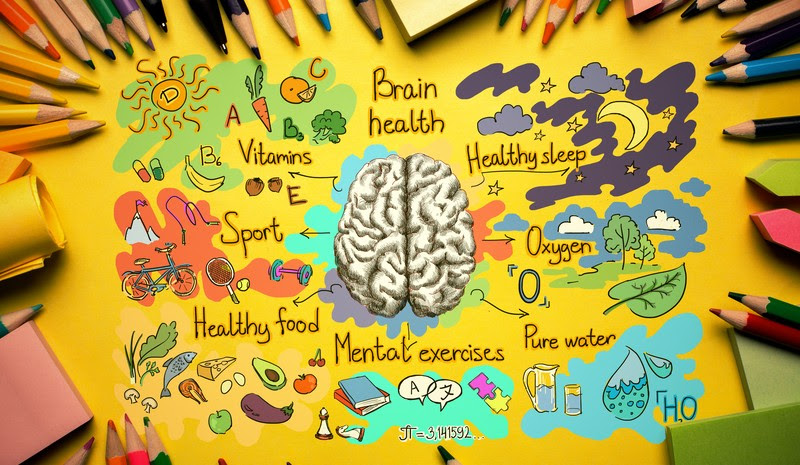
Your brain is constantly working. Research suggests the average person makes more than 35,000 decisions every day. Although the brain makes up only about 2% of body weight, it uses nearly 20% of the body’s energy. Every thought, memory, emotion, distraction, and decision depends on a steady supply of fuel, oxygen, nutrients, hydration, and rest.
The encouraging news? Small daily habits can significantly reduce brain fatigue and help prevent decision fatigue as the day wears on. Integrative medicine experts like Dr. Daniel G. Amen and Dr. David Perlmutter emphasize that brain health is shaped by lifestyle choices made consistently over time.
Feed Your Brain Steady Fuel
One of the fastest ways to drain mental energy is through blood sugar spikes and crashes caused by processed foods and excess sugar. When blood sugar swings wildly, focus, mood, and mental clarity often suffer, accelerating decision fatigue.
Instead, fuel the brain with meals that combine protein, healthy fats, fiber, and nutrient-dense foods. Eggs, salmon, berries, leafy greens, nuts, olive oil, beans, and avocados provide nutrients the brain needs for energy production, neurotransmitter balance, memory, and focus while helping stabilize blood sugar.
Certain supplements may also support healthy brain function and long-term cognitive health, including omega-3 fats, magnesium, antioxidants, B vitamins, and targeted peptides.
Hydrate Your Brain
Even mild dehydration can affect concentration, memory, energy, and mood. Since the brain is composed largely of water, hydration matters more than many people realize. Drinking water first thing in the morning and consistently throughout the day can improve alertness and mental clarity.
Move Your Body
Exercise increases blood flow and oxygen delivery to the brain while supporting mood, attention, and emotional balance. Movement also helps reset mental energy during long workdays. Simple habits such as stretching, using a standing desk, or taking a brisk 5–20 minute walk can help refuel the brain and reduce mental fatigue.
Protect Your Sleep
Sleep is the brain’s daily repair and recharge cycle. During deep sleep, the brain clears waste products, processes memories, and restores systems involved in attention, emotional regulation, and decision-making.
Poor sleep is one of the biggest contributors to brain drain and decision fatigue. Consistent sleep habits may be one of the most powerful tools for improving mental clarity, emotional resilience, and cognitive performance throughout the day.
Step Outside
Nature and sunlight help regulate mood, stress hormones, sleep cycles, and energy production. Even short periods outdoors can improve mental clarity and reduce stress.
Morning sunlight is especially helpful because it supports healthy circadian rhythms that influence both daytime energy and nighttime sleep quality. Sometimes one of the best ways to recharge the brain is simply to step outside.
Cultivate Connection and Purpose
Healthy relationships, meaningful activities, faith, service, gratitude, and a sense of purpose all support emotional and cognitive health. Social connection helps protect the brain from chronic stress and isolation, while positive meaning in life has been associated with greater resilience and long-term cognitive health.
Connection fuels the brain. Isolation often drains it.
Calm the Stress Response
Chronic stress consumes enormous amounts of mental energy. When the body remains stuck in “fight or flight” mode, concentration, memory, and emotional regulation become more difficult, leading rapidly to decision fatigue.
Deep breathing, prayer, meditation, journaling, and quiet moments throughout the day can help calm the nervous system and shift the body into a more restorative state. This “rest and digest” mode supports healing, recovery, and healthier brain function.
Power Down to Recharge
Constant notifications, multitasking, and excessive screen exposure can overstimulate the brain and contribute to mental fatigue. The brain needs periods of quiet and reduced stimulation to recover and reset.
Taking regular breaks from screens — especially before bedtime — can improve focus, sleep quality, emotional balance, and overall mental energy.
Brain health is built through consistent daily choices. Nourishing your body, moving regularly, sleeping well, spending time outdoors, calming stress, connecting with others, and creating space for rest can help your brain stay clearer, calmer, and fueled for better focus and decision-making throughout the day.
Don’t drain the brain. Be Well.
References
Amen, D. G. (2023). Change Your Brain Every Day: Simple Daily Practices to Strengthen Your Mind, Memory, Moods, Focus, Energy, Habits, and Relationships. Tyndale Momentum.
Perlmutter, D., & Loberg, K. (2013). Grain Brain: The Surprising Truth About Wheat, Carbs, and Sugar—Your Brain’s Silent Killers. Little, Brown and Company.
Ratey, J. J., & Hagerman, E. (2008). Spark: The Revolutionary New Science of Exercise and the Brain. Little, Brown and Company.