- Categories :
- More
How Business Security Audits Help Organizations Reduce Risk from Summer to Year-End
By:
 Fly Lock Security Solutions
| Published 07/17/2026
Fly Lock Security Solutions
| Published 07/17/2026


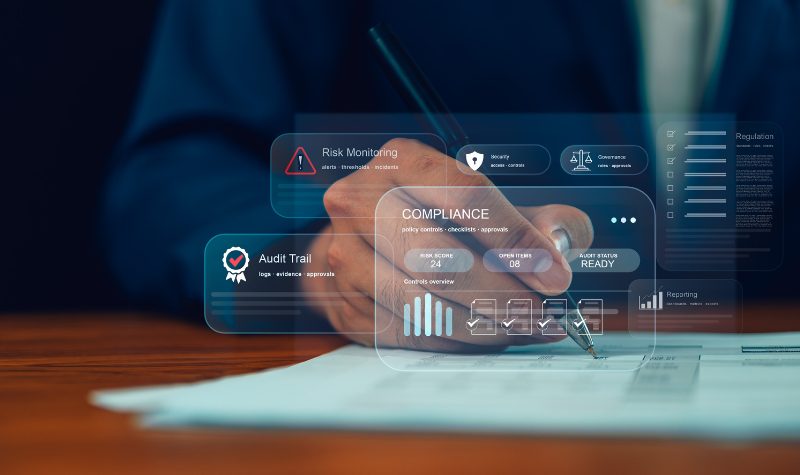
As businesses transition from winter and spring to the middle of the year, it’s important that owners take the initiative to conduct business security audits to stay ahead of heightened security risks. The threats to your operations may not just stem from outdated commercial security systems, it can also come from vulnerabilities that exist within your current security framework like limited surveillance of key areas. With our tips, we’ll help you learn about the importance of investing in physical security audits during the middle of the year, so you’re prepared for what’s ahead throughout the summer, fall, and winter months.
TABLE OF CONTENTS
Commercial Security Provider Topics This Blog Highlights:
- Understanding the Importance of Mid-Year Business Security Audits
- Identifying Potential Security Risks Before the Busy Season
- Your Year-Round Business Security Strategy
- Setting Goals for the New Year
- Frequently Asked Questions
Understanding the Importance of Mid-Year Business Security Audits
By June, businesses must be fully prepared for heavier traffic. During the summer, commercial properties see an influx of customers, as higher levels of activity present some elevated risks. That’s why it’s critical for businesses to think ahead, upgrading their building security systems and commercial door hardware so they can get the best possible performance from their equipment for the remainder of the year.
The Benefits of Early Audits
While it’s important to conduct audits during the beginning and end of the year, performing inspections in the early summer months provides businesses with numerous benefits.
- Enhanced Preparedness: A mid-year audit not only ensures that your access control and video surveillance systems are in good condition, but it also helps your team get a better understanding of the potential risks you’ll be facing the rest of the year. This enables you to develop and implement a strategic plan that will help you uncover problems before it’s too late and give you a head start of prioritizing tasks you must complete in the future to improve your commercial security.
- Informed Decision Making: After gaining valuable insights in the summer, you can now make informed decisions for potential upgrades to your security systems, while crafting strong policies that will help meet your business’s immediate and long-term goals. Whether it’s understanding the longevity of your systems or recognizing how potential threats can compromise your building security, you’ll have a better understanding of what needs to be adjusted and how you can improve operations going forward.
- Time for Remediation: By identifying vulnerabilities early on, it gives your business some more time to make potential upgrades, as during the busy seasons, owners may not be able to overcome potential downtime. Some projects take time, so by uncovering issues before the busy season, you can proactively address them by setting your business up for both the short and long term.
Identifying Potential Security Risks Before the Busy Season
Analyzing Customer Trends: As businesses enter the busy summer months, they experience higher levels of traffic and customer interactions increase. As more customers enter the building, it elevates the risk of potential security breaches, which can disrupt your operations. Using solutions like access control systems and security cameras, you can analyze customer behavior in real time, making decisions that will help you prepare from summer to the end of the year.
Outdated Software: Outdated software is one of the most common security risks businesses experience as it can interfere with operations. It can often get overlooked when running a business, but it’s important for maintaining strong building security. By identifying outdated software that your door entry systems and security cameras are operating on, you can monitor performance closely while gaining insights on compatibility issues that may arise from updates. Make sure your business security systems are running on the latest software and patches so you don’t experience any downtime.
Unrestricted Data Access: Granting unrestricted access to sensitive information can lead to significant operational consequences, so it’s important to audit your exiting user permissions. Examine the different access levels that are present and identify areas within your facility that could use more protection. Role-based access control systems help simplify access management, ensuring only authorized personnel have the opportunity to access critical business data, helping protect your organization’s building security.
Your Year-Round Business Security Strategy
While auditing your digital security is important to address cybersecurity issues, your building’s physical security is equally as important. That’s why it’s essential to have a strategic plan in place that prevents security breaches with regular security audits as a large part of it.
Risk Mitigation
- Improve Incident Response Plans: Stay ahead of potential threats by implementing a strong incident response plan. Evaluate what areas of your facility are most vulnerable, adding solutions like emergency door hardware, security cameras, and access control systems to help you identify safety concerns with real-time alerts. Backed by this technology, you can teach your staff how to respond to incidents quicker and spot break-in attempts.
- Patch Vulnerabilities: Quickly address issues before they can be exploited or escalated. Whether it’s malfunctioning door locks, underperforming business security systems, or damaged equipment, it’s important to patch up all your vulnerabilities ahead of time before intruders can catch on. By addressing these issues ahead of time, you can effectively upgrade your risk management protocols.
Interested in learning how to choose the correct commercial security provider?

Read our blog post: What to Look For in a Commercial Security Provider
Customer Trust and Compliance
As you work towards the next half of the year, customer trust is essential to maintaining strong business security. Showing that you take your building security seriously can deter crime, so by building a formidable defense, you can help foster an accountable workplace that keeps both employees and visitors in check.
- Building Confidence in Security: By complying to security regulations, it shows both employees and visitors that you’re committed to safety. This verifies that all employee data is secure and visitors remain confident they’re safe in your building. This helps build long-term trust from your customers, as they believe you’re committed to protecting them and their data.
- Document Compliance: Physical security audits ensure you have the necessary documentation that verifies that your building adheres to safety regulations and legal standards. For ADA-compliant hardware like automatic door operators, this is essential as it ensures your facility is accessible to everyone. This not only protects visitors, but it also helps you maintain a safe and secure work environment.
Setting Goals for the New Year
After the summer and fall months pass, it becomes time to look ahead to the new year. Security audits offer immediate benefits, but they also give you insights that help you plan for the long term. This enables you to:
- Define Clear Objectives: After reviewing your audit results, it allows you to define clear objectives that guide you into making key improvements or future investments. Whether it’s upgrading your commercial doors, door entry systems, or video surveillance systems, you can now strategize what your business needs and create clear security goals.
- Prioritize Budget Allocations: Following your audit, you can now prioritize your budget allocations, deciding which areas to focus on. Whether it’s your access control, video surveillance, or commercial door security, physical audits enable you to make informed decisions on what you should upgrade, focusing on the most critical areas that can improve security.
Embracing Proactive Security Audits with FlyLock
Conducting physical security audits regularly is a vital strategic move for any business, as it sets them up for the rest of the year. By trusting commercial security experts like FlyLock to develop strong strategies to improve your security, you can stay ahead of threats from summer to winter, eliminating costly repairs in the future.
By embracing proactive security measures like audits, you not only create a safer work environment, but you protect your valuable assets in the process. Invest in business security professionals you can trust to upgrade and maintain strong access control, door security, and video surveillance. Contact our team today by calling us at 800-649-5397!
Frequently Asked Questions
What are physical security audits?
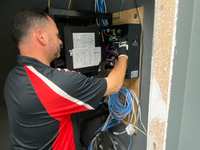
Physical security audits are assessments that security professionals make to evaluate the effectiveness of an organization’s safety and security measures. This includes examining multiple aspects of your setup including access control systems, surveillance cameras, video intercoms, and visitor management processes. This helps identify vulnerabilities that can be exploited by intruders while offering solutions to strengthen a business’s defenses.
How often are physical audits conducted?
The frequency of physical audits being conducted is based on several factors as it depends on the organization’s size, operations, and current infrastructure. Most businesses conduct an inspection annually, but it’s recommended to conduct them a few times a year, especially for high-risk facilities for the best results. Organizations may also inspect their property when relocating, implementing modern technology, or after experiencing a security incident to ensure their building is protected.
What is a physical security auditor?
A physical security auditor is a security professional that is responsible for conducting inspections, helping analyze an organization’s business security practices and suggesting areas of improvement. They help businesses upgrade their security protocols, while improving risk management. These professionals will thoroughly check that your building meets safety standards like ADA regulations, ensuring that your building security systems are fully operational. They’ll provide a detailed report that outlines your vulnerabilities and the changes you need to make going forward.