- Categories :
- More
Can Porcelain Veneers Fix Uneven Tooth Length? Creating a Balanced Smile in The Woodlands, TX
By:
 The Woodlands Dental Group
| Published 09/30/2026
The Woodlands Dental Group
| Published 09/30/2026



Yes, porcelain veneers can often improve the appearance of uneven tooth length by changing the visible shape and proportions of selected teeth. But the right treatment depends on why your teeth look uneven. A tooth may be naturally shorter than its neighbors, chipped, or worn down by grinding. Differences in the gum line or the position of a tooth can also make teeth appear unequal in length.
At The Woodlands Dental Group, we start by looking at your teeth, gums, and bite to understand what’s behind the difference. Porcelain veneers in The Woodlands, TX, may be one way to create a more balanced smile. Depending on what we find, dental bonding, tooth recontouring, or another approach may make more sense. The goal is a smile that looks harmonious and feels like yours.
Can Porcelain Veneers Make Uneven Teeth Look More Symmetrical?
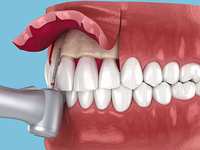
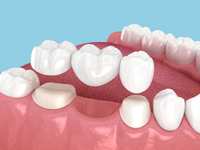
Yes. Porcelain veneers cover the visible front surfaces of teeth and can be custom designed to change how long, wide, or even those teeth appear. They may help balance short-looking teeth, minor chips, worn edges, irregular shapes, and differences in tooth proportions. Veneers change the visible contours of the teeth; they do not move the roots or change the position of the jaw.
How Veneers Can Make Short Teeth Appear Longer
If a tooth is naturally short, chipped, or worn at the edge, a veneer may be designed to extend its visible contour. That added length can help the tooth look more proportionate beside its neighbors. Before extending an edge, though, your dentist needs to consider your bite and whether there is enough space for the restoration. Teeth that have worn down from grinding may need the cause of that wear addressed as part of the plan.
How Veneers Can Create More Consistent Tooth Shapes
Sometimes the difference is subtle: one lateral incisor looks smaller, the two front teeth have different edges, or a naturally narrow tooth looks out of place. Custom veneers can bring the width, length, and contours of selected teeth into better balance. The aim isn’t to make every tooth identical. It’s to create proportions that look natural together.
Can Veneers Make a Tooth Look Shorter?
That depends on why it looks long. The visible edge of the tooth, the position of the gums, the size of neighboring teeth, and the bite can all affect its apparent length. A veneer might be part of the solution, but placing one does not automatically shorten a tooth. In some cases, carefully reshaping an edge or addressing a gum-line difference may be more appropriate. An exam helps determine which change would create balance while preserving healthy tooth structure.
Why Do Some Teeth Look Longer or Shorter Than Others?
Uneven tooth length can have several causes, and the difference you see in the mirror does not always reflect the tooth’s actual size. Before recommending veneers in The Woodlands, your dentist needs to look at the shape of the teeth, the height of the gums, signs of wear, and how the teeth meet when you bite. That evaluation helps identify what needs to change to create a balanced smile.
Natural Differences in Tooth Shape and Size
Teeth naturally vary in width, length, shape, and contour. One lateral incisor, for example, may be narrower or shorter than the one beside it. Even small differences can become noticeable when you compare the teeth that frame your smile.
Smile symmetry does not require every tooth to match exactly. What matters is how their proportions work together. If a healthy tooth is simply shaped differently from its neighbors, a veneer may be an option for adjusting its visible size and contour.
Chipped Teeth Can Create Uneven Tooth Length
A chip removes a piece of the tooth’s edge, sometimes leaving one front tooth looking shorter or more irregular than the other. It may happen after an injury or from biting something hard. Your dentist will check the extent of the damage before deciding how best to restore the missing tooth structure.
For a small chip, dental bonding may be enough to rebuild the edge. A porcelain veneer may be considered when the desired change involves more of the tooth’s visible shape. The choice depends on the tooth’s condition, your bite, and the result you want.
Teeth Grinding Can Wear Down Front Teeth Unevenly
Grinding or clenching, also called bruxism, puts repeated force on the teeth. Over time, that force can wear away enamel and leave front teeth with shortened, flattened, or irregular edges. Wear may be more pronounced on certain teeth depending on how your upper and lower teeth meet.
If grinding is behind the uneven length, restoring the edges is only part of the plan. Your dentist will also evaluate your bite and the ongoing forces on those teeth before recommending veneers or another restoration.
Gum Position Can Make Teeth Appear Different Lengths
There is a difference between a tooth’s actual length and the amount you can see when you smile. If more of a tooth is covered by gum tissue, it may look shorter than its neighbor. If the gum has receded, more of the tooth or root may be exposed, making it look longer.
That is why your dentist will consider the gum line alongside the teeth themselves. When gum position is the main reason teeth look uneven, veneers alone may not address the underlying difference.
Tooth Position Can Affect Perceived Tooth Length
A tooth can also look shorter or longer because of where it sits. A rotated tooth may show less of its front surface, while a tilted or differently positioned tooth may create an uneven-looking edge in the smile.
Veneers can change a tooth’s visible contour, but they cannot move it into a new position. If alignment is a significant part of the issue, an orthodontic evaluation may help determine the best path to a more balanced result.
How Cosmetic Dentists Evaluate Uneven Tooth Length Before Recommending Veneers
Before changing the shape of a tooth, a cosmetic dentist in The Woodlands, TX, needs to understand why it looks uneven. Is the tooth itself shorter, has its edge worn down, or does the gum line make it appear that way? The answer guides the treatment. A thoughtful cosmetic dentistry plan in The Woodlands begins with the health and function of your teeth, then considers the proportions you would like to see in your smile.
Existing Tooth Structure and Enamel
Your dentist will examine how much healthy tooth structure remains, including the enamel that helps support a veneer. Chips, fractures, worn areas, and older restorations can all affect the treatment options. A small difference in length on an otherwise healthy tooth may call for a different approach than a tooth with substantial wear or damage.
This assessment matters because a veneer needs a suitable tooth beneath it. If the supporting tooth requires other care first, your dentist will explain how that affects the plan.
Tooth Width-to-Length Proportions
A tooth can look short because it is wider than its neighbors, because its edge is uneven, or because the surrounding teeth create that impression. Your dentist considers how each tooth relates to the teeth beside it and to your smile as a whole.
Your lips and facial features matter, too. The goal is to design tooth shapes that look balanced on you, rather than apply one fixed measurement to every smile.
Gum-Line Symmetry
Your dentist will look at where the gums frame each tooth. If one gum line sits lower than the next, it may hide more of the tooth and make that tooth appear short, even when the teeth are similar in size.
Identifying whether the difference comes from the tooth, the gums, or both helps avoid treating the wrong feature. It also helps your dentist explain whether veneers alone can create the change you want.
Bite Alignment and Functional Forces
Lengthening an edge can change when and how that tooth touches others as you bite or move your jaw. That is especially relevant if your teeth already show signs of grinding or uneven wear.
A veneer dentist in The Woodlands will assess those contacts before settling on a new tooth length. The design needs to look good and work with the forces your teeth encounter every day.
Existing Bonding, Crowns, or Other Restorations
Previous dental work is part of the picture. Bonding or a crown may affect the shape, shade, and space available for a veneer on a nearby tooth. Your dentist will consider how any new work will look alongside those restorations and whether an older restoration also needs attention.
By reviewing all of these details together, your dentist can recommend a plan that addresses the cause of the uneven appearance and creates a result that fits your smile.
Veneers vs. Dental Bonding for Uneven Tooth Length
Both dental bonding and porcelain veneers can change the visible shape of a tooth. The better fit depends on how much needs to change, the condition of the tooth, and whether the difference involves more than its length.
When Dental Bonding May Correct Minor Unevenness
With composite bonding, a dentist applies tooth-colored resin directly to a tooth and shapes it to blend with the surrounding teeth. It may be an option for rebuilding a small chip, extending a slightly worn edge, or correcting a modest difference in shape.
If you are searching for “tooth bonding near me,” keep in mind that the size of the change is only one factor. When considering dental bonding in The Woodlands, TX, your dentist will also check whether the tooth has enough healthy structure and whether your bite puts heavy force on the area being rebuilt. Cosmetic bonding in The Woodlands can be a useful choice when a small adjustment will create the balance you want.
When Porcelain Veneers May Provide Greater Shape Control
A veneer is custom made to cover the front of a tooth, giving your dentist room to plan several visible details together. If a tooth needs changes to its length, width, color, and contour—or if several front teeth need to look more consistent—porcelain veneers may offer greater control over the overall design.
That does not mean every uneven tooth needs a veneer. A slight difference at one edge may call for a much smaller adjustment.
Why Treatment Should Be Based on Tooth Condition, Not Just Appearance
The most noticeable feature may be a short-looking tooth, but its cause determines the sensible next step. A small chip may be suited to bonding; an irregular edge might be considered for careful recontouring. A larger change in shape could call for a veneer, while tooth position may warrant an orthodontic evaluation.
Your dentist will also consider existing restorations, enamel, gum position, and bite forces before recommending treatment. That way, the plan addresses the reason your teeth look uneven while preserving healthy tooth structure where possible.
Can Veneers Fix Teeth Worn Short by Grinding?
Veneers may restore the appearance of appropriately selected worn teeth, but the cause of the wear and your bite need to be evaluated first. Adding visible length is only one part of the decision when grinding may still be putting force on those edges.
How Grinding Changes Front Tooth Length
Grinding and clenching, known as bruxism, can cause the upper and lower teeth to press or slide against each other repeatedly. Over time, that contact may wear away enamel, flatten the biting edges of the front teeth, and leave them looking shorter or uneven. The pattern of wear can also offer clues about where those forces are concentrated.
Why Restoring Length Without Addressing Excessive Forces Can Be a Problem
If grinding wore down the original edges, the same forces may act on a new restoration. That makes it important to understand how much force the teeth are experiencing before deciding whether veneers are appropriate or how they should be designed.
Depending on the findings, your dentist may discuss ways to manage grinding or protect your teeth as part of the treatment plan. A nightguard may be considered, but it is not a substitute for evaluating the bite and the cause of the wear.
Why Bite Evaluation Comes Before Cosmetic Reconstruction
Before restoring worn tooth length, your dentist will check how your teeth meet when you close your mouth and move your jaw. That information helps determine whether there is room to rebuild an edge and how the restored teeth may contact one another.
How Veneer Shape and Proportion Affect a Natural-Looking Smile
When planning veneers for uneven tooth length, the question is not simply, “How much longer should this tooth be?” Its width, edges, and relationship to the rest of the smile all influence whether the result looks natural.
Tooth Length Should Be Evaluated With Tooth Width
Making a tooth longer can improve its appearance if it looks short beside its neighbors. But length alone does not determine its shape. A tooth that is relatively narrow may look different from a wider tooth of the same length.
Your dentist considers both dimensions when designing a veneer, along with the tooth’s contours. The aim is to adjust the visible proportions so the tooth fits comfortably into your smile.
Front Teeth Should Relate Naturally to Neighboring Teeth
Your central incisors—the two teeth at the front—are seen alongside the smaller lateral incisors and the canines beside them. A change to one tooth can affect how the others look by comparison.
For example, extending a lateral incisor may bring it into better balance with its counterpart, but its new edge also needs to make sense beside the central incisor and canine. Veneer design considers those relationships rather than applying one formula to every front tooth.
Symmetry Does Not Mean Every Tooth Should Look Identical
A balanced smile can still have natural variation. Teeth have different roles and shapes, and the left and right sides of a smile do not need to be exact copies to look harmonious.
When designing veneers, your dentist can soften a noticeable mismatch while keeping the subtle differences that make the result look like your teeth. The goal is for an uneven edge or unusually small tooth to stop drawing attention—not for every tooth to become the same shape.
Tooth Shape Should Complement the Entire Smile
A veneer is designed for one tooth, but that tooth is seen as part of a larger picture: its neighbors, the curve of your lips, your full smile, and your face. Looking at all of those elements helps your dentist decide where an edge should sit and how its contours should flow into the teeth around it.
That broader view is what turns a change in tooth length into a smile that feels balanced overall.
Can Veneers Correct Uneven Teeth Without Braces or Invisalign?
Sometimes. Veneers can change the visible shape of mildly irregular teeth, which may make a smile appear more even. Whether they are a good alternative to orthodontic treatment depends on what is causing the uneven appearance. If tooth position or bite alignment is the main concern, changing the surface of a tooth may not address it.
Cosmetic Shape Correction vs. Orthodontic Tooth Movement
A veneer covers the front of a tooth and changes its visible size, shape, or contour. It does not move the tooth or its root. Orthodontic treatments, including braces and clear aligners, move teeth into different positions.
That distinction matters when a tooth looks uneven because it is rotated or tilted. A cosmetic change may affect how it looks from the front, but your dentist needs to assess its actual position before recommending veneers.
When Minor Irregularities May Be Addressed Cosmetically
Veneers may be considered when the difference is mainly in a tooth’s visible shape—for example, a slightly smaller tooth, an irregular edge, or a small space that can be addressed through careful veneer design.
Your dentist will look at the neighboring teeth and your bite to see whether changing the contours would create a natural result without making the restored tooth look bulky or out of proportion.
When Tooth Position Should Be Addressed Before Veneers
If a tooth’s position leaves too little room for a veneer, affects how your teeth meet, or would require an excessive change in shape to disguise it, orthodontic treatment may be worth discussing first. Moving teeth may also create a better starting point for cosmetic work later.
An evaluation can help you understand whether the unevenness is primarily a matter of shape, position, or both—and which treatment sequence makes sense for your smile.
What Happens During Veneer Planning for Uneven Teeth?
Planning starts with the difference you have noticed, then looks at what is causing it and what changes would suit your teeth. These steps help your dentist decide whether veneers belong in the plan and, if they do, how to design them.
Step 1 — Identify Why the Teeth Look Uneven
Your dentist will first ask what bothers you about the tooth length and examine the possible cause. A tooth might be naturally small, chipped, worn down, partly covered by gum tissue, or positioned differently from its neighbors. Knowing which of these is responsible keeps the plan focused on the feature that needs attention.
Step 2 — Evaluate Teeth, Gums, and Bite
Next, your dentist will assess the condition of the teeth and surrounding gums, including any wear, damage, or existing dental work. They will also check how your teeth meet. This is especially important if the proposed veneer would extend a biting edge or if grinding contributed to the uneven length.
Step 3 — Determine the Desired Tooth Proportions
If veneers are appropriate, you and your dentist can discuss how much change you want. They will consider the length and width of each tooth, how its edge relates to neighboring teeth, and how those teeth look when you smile. The aim is to find proportions that feel balanced without making the teeth look overly uniform.
Step 4 — Coordinate Shape, Shade, and Smile Design
Once the shape is planned, your dentist will consider how the veneer’s shade fits with the surrounding teeth and any existing restorations. Shape is the focus when correcting uneven length, but both details need to work together for a cohesive result.
FAQs About Veneers for Uneven Teeth in The Woodlands, TX
Can veneers make short teeth longer?
Yes, in appropriate cases. A veneer can be designed to extend a tooth’s visible edge, helping a naturally short, chipped, or worn tooth look more proportionate. Your dentist will check the tooth and your bite before recommending how much length to add.
Can veneers make uneven front teeth look symmetrical?
Yes, veneers can change the visible length, contours, and shape of selected front teeth to create better balance. The goal is for the teeth to look natural together; they do not need to be identical.
Are veneers better than bonding for uneven teeth?
Neither treatment is better for everyone. Dental bonding may suit a small chip or modest shape change. Veneers may offer more control when several details—such as length, width, color, and contours—need to be planned together.
Can veneers fix teeth worn down by grinding?
They may restore the appearance of worn teeth in selected cases. First, your dentist needs to evaluate the pattern of grinding and how your teeth meet. The forces that wore down the natural teeth could also affect new restorations.
Can veneers straighten uneven teeth?
Veneers can make some mildly irregular teeth look more even by changing their visible shape. They do not move teeth or roots. If tooth position or bite alignment is the main concern, orthodontic treatment may be more appropriate.
Can gum shape make teeth look uneven?
Yes. A tooth can appear shorter when more of it is covered by gum tissue, or longer when its gum line has receded. Your dentist will assess the gums to determine whether the visible difference comes from the tooth, the gum line, or both.
Explore Porcelain Veneers for Uneven Teeth in The Woodlands, TX
Wondering what would make your smile look more balanced? At The Woodlands Dental Group, we’ll look at what’s causing the uneven appearance, then discuss options that fit your teeth, bite, and goals. If you’re considering porcelain veneers in The Woodlands, TX, schedule a consultation with our cosmetic dentistry team to start with a personalized smile design.