- Categories :
- More
Commercial car washes use ironically much less water than your DIY home car wash
By:
 Woodlands Online
| Published 08/17/2026
Woodlands Online
| Published 08/17/2026


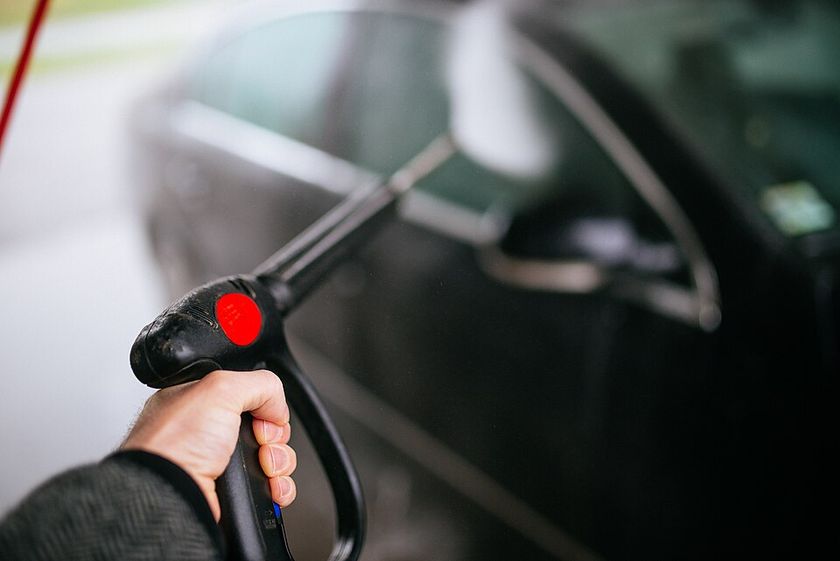
According to John Geiger at Woodlands Water, you're actually being more eco-conscious by using a commercial car wash than attempting your own driveway-based cleansing.
It might seem counterintuitive, but running your Escalade through a commercial wash uses far less water than washing it in your driveway. A 10-minute driveway wash with a hose can consume 80 to 140 gallons. By comparison, an in-bay automatic wash checks in between 10 to 20 gallons per vehicle.
Recycling is the biggest reason. Most municipalities require car washes to have water a recycling system as a condition of their building permit. These systems capture used wash water, filter out dirt, chemicals, and odors, then send the cleaned water back through the system for the next vehicle. Fresh water is reserved mainly for the final rinse, so cars still get a spot-free finish. This dramatically cuts both freshwater consumption and the volume of wastewater sent down the drain.
.But conservation is only half the story — the other half is what happens to the dirty water. When you wash your car at home, the runoff doesn't just disappear. The detergent and chemicals rinsed off your vehicle eventually make their way into the storm sewer on to the nearest water body. Commercial washes dispose of their water according to local regulations, meaning it's contained, treated, and either recycled on-site or sent to the sanitary sewer for proper treatment rather than into the environment.
If you have any water-based questions for John, you can email him at jgeiger@woodlandswater.org.