- Categories :
- More
How Excess Body Fat Drives Inflammation—and What to Do About It
By:
 The Woodlands Institute for Health & Wellness - Mila McManus MD
| Published 02/11/2026
The Woodlands Institute for Health & Wellness - Mila McManus MD
| Published 02/11/2026


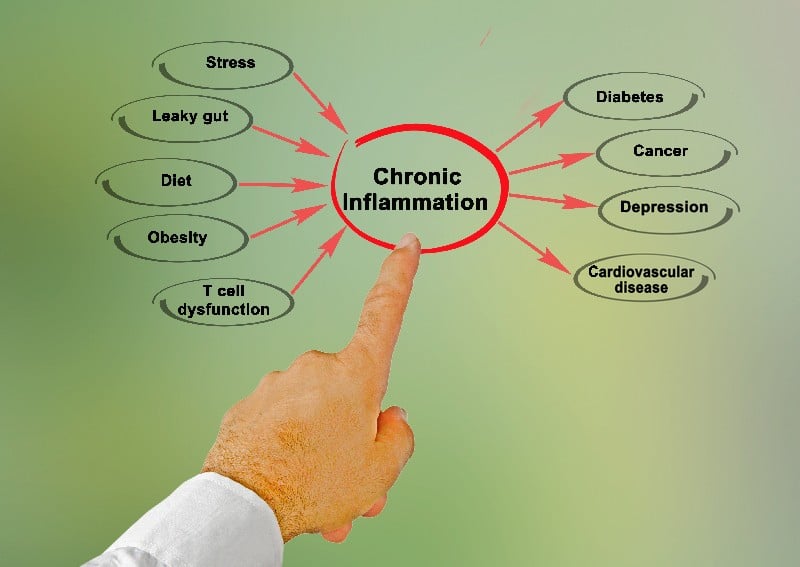
In functional medicine, inflammation is viewed not as the enemy, but as a signal. While short-term inflammation helps the body heal, chronic low-grade inflammation quietly fuels many modern health concerns. One of the most overlooked contributors to this inflammatory burden is excess body fat.
Why Body Fat Promotes Inflammation
Body fat is not just a passive storage site for calories. Adipose tissue functions as an active endocrine organ. As fat mass increases—especially visceral fat around the abdomen—it releases inflammatory signaling molecules called adipokines and cytokines, including tumor necrosis factor-alpha (TNF-α), interleukin-6 (IL-6), and C-reactive protein (CRP).
As fat cells enlarge, they become stressed and poorly oxygenated, attracting immune cells such as macrophages, which further amplify inflammation. Over time, this chronic inflammatory state disrupts insulin signaling, increases oxidative stress, and alters hormone balance. From a functional medicine perspective, excess body fat represents a root-cause driver of chronic disease—not simply a cosmetic issue. Excess body fat and the accompanying chronic inflammation drive diabetes, cancer, depression, cardiovascular disease and more. Visceral fat is particularly inflammatory and strongly associated with cardiometabolic disease. Even individuals with a “normal” body weight can carry excess visceral fat and experience inflammation, a phenomenon sometimes referred to as metabolically unhealthy normal weight.
Common Signs of Chronic Inflammation
Low-grade inflammation often goes unrecognized or correlated with body fat. Functional medicine looks at symptoms as interconnected signals rather than isolated problems. Common signs include:
- Persistent fatigue or low energy
- Joint or muscle stiffness, especially in the morning
- Brain fog or difficulty concentrating
- Frequent headaches
- Digestive complaints such as bloating or irregular bowel movements
- Difficulty losing weight despite calorie restriction
- Elevated lab markers such as CRP, fasting insulin, or triglycerides
What to Do About Fat and Inflammation
Research clearly demonstrates that the goal is to reduce body fat while preserving or increasing muscle mass, a key driver of reduced inflammation and metabolic health. Developing a healthy lifestyle that builds and maintains muscle, stabilizes blood sugar, supports quality sleep, and stress reduction is the key.
Resistance training improves insulin sensitivity, reduces inflammatory signaling from fat tissue, and supports metabolic resilience. Consistent, appropriately dosed strength training—even brief sessions—provides meaningful benefits.
Whole-food nutrition, adequate protein, and thoughtful meal timing help lower inflammatory burden and stabilize blood glucose. Reducing refined carbohydrates and allowing overnight fasting periods supports metabolic flexibility. Continuous glucose monitoring (CGM) offers personalized insight into how food, stress, sleep, and exercise affect blood sugar.
Poor sleep and chronic stress elevate cortisol, promoting visceral fat and inflammation. Prioritizing sleep, morning light exposure, and simple daily stress-reduction practices are foundational.
The Bigger Picture
Reducing excess body fat is not about appearance—it is about restoring healthy immune and metabolic communication, which then shifts the body from defense to healing. This root-cause approach is central to functional medicine and long-term vitality. Let us help you fight your fat and inflammation.
Be well.
References
Hotamisligil GS. Inflammation and metabolic disorders. Nature. 2006;444(7121):860–867.
Ouchi N, Parker JL, Lugus JJ, Walsh K. Adipokines in inflammation and metabolic disease. Nat Rev Immunol. 2011;11(2):85–97.
Pedersen BK, Febbraio MA. Muscles, exercise and obesity: skeletal muscle as a secretory organ. Nat Rev Endocrinol. 2012;8(8):457–465.
Tchernof A, Després JP. Pathophysiology of human visceral obesity. Physiol Rev. 2013;93(1):359–404.