- Categories :
- More
Green Tea: Powerful Benefits in a Simple Habit
By:
 The Woodlands Institute for Health & Wellness - Mila McManus MD
| Published 01/29/2026
The Woodlands Institute for Health & Wellness - Mila McManus MD
| Published 01/29/2026


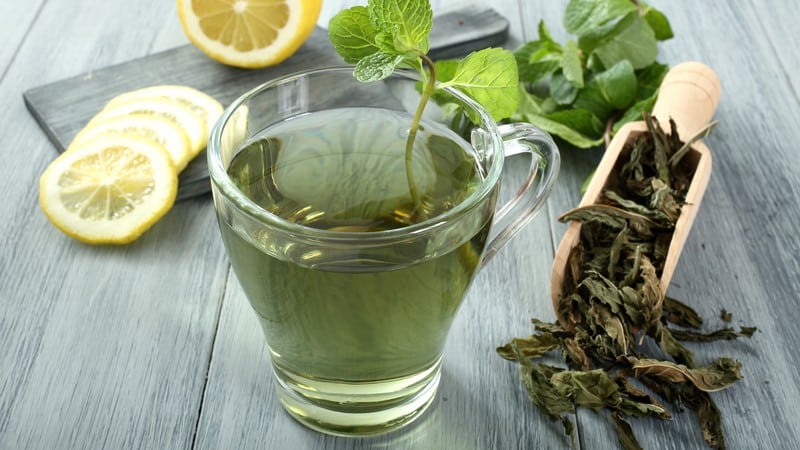
Green tea has been enjoyed for centuries, and modern research is now confirming what many cultures have long believed: green tea can support overall health in meaningful ways. From heart and brain health to metabolism and immune support, this simple beverage offers powerful benefits when chosen and prepared wisely.
Why Green Tea Is Good for You
Green tea comes from the plant Camellia sinensis and is rich in natural compounds called polyphenols, especially EGCG (epigallocatechin gallate). These compounds act as antioxidants, helping protect cells from damage caused by everyday stress, pollution, and inflammation. Research shows that regular green tea consumption is associated with:
- Better heart health, including improved cholesterol levels and blood vessel function
- Brain support, with possible protection against age-related cognitive decline
- Metabolic benefits, such as modest support for weight management and blood sugar balance
- Reduced inflammation and oxidative stress, which play a role in many chronic diseases
A large 2025 scientific review concluded that moderate green tea consumption is linked to lower risk of cardiovascular disease, improved metabolic health, and overall longevity, especially when consumed as traditionally brewed tea rather than sugary bottled products.¹
How Much Green Tea Is Recommended?
Most research suggests benefits with 2–5 cups per day for healthy adults. Some studies show benefits with as few as 2–3 cups daily, while higher amounts may offer additional benefits for some people. Because green tea contains caffeine (though less than coffee), it’s best to space cups throughout the day and avoid drinking it late in the evening if caffeine affects your sleep.
Quality Matters: What Kind of Green Tea Is Best?
Not all green tea is created equal. The best choice is organic loose-leaf green tea, brewed with an infuser or teapot. This method delivers the best flavor and antioxidant content while avoiding the plastics often found in tea bags. If you prefer teabags, shop carefully for plastic-free, biodegradable, unbleached teabags made from plant fibers or stitched cotton, not heat-sealed plastics! Convenient bottled and ready-to-drink teas often contain added sugars, sweeteners, or preservatives, which don’t offer the same benefits as fresh-brewed tea, so it’s best to limit or avoid them.
Flavor Options to Explore
Green tea comes in many enjoyable varieties. Trying different flavors can make a daily green tea habit delightful. Some reputable brands include Numi, True Leaf Tea, The Tea Spot, Rishi Tea, and Full Leaf Tea Company. Some of the most popular flavors include:
- Sencha – fresh, grassy, and classic
- Matcha – powdered, more concentrated, and energizing
- Jasmine green tea – lightly floral and calming
- Mint green tea – bright, refreshing, and soothing
- Dragonwell (Longjing) – smooth and slightly nutty
- Clouds & Mist – smoky and warm
Make Brewing Easy & Fun!
Brewing green tea can be a relaxing ritual — and the right tools make it even better. There are tea infusers in many shapes: stainless steel balls, silicone “tea friends,” and mesh baskets that fit inside most mugs. Glass teapots with built-in strainers let you watch the leaves unfurl as the flavor develops. And don’t forget the teacups — from traditional Japanese yunomi, meant to be held with both hands to enjoy the warmth, to modern double-walled glass cups that keep your tea warm without burning your hands. Choosing tools you enjoy makes tea time something you look forward to each day. Ask a friend to join you.
Sometimes, the most powerful wellness tools are also the simplest.
Enjoy a daily green tea healthy habit and be well.
References
Yang M, et al. Beneficial health effects and possible health concerns of tea consumption: a review. Beverage Plant Research. 2025;5:e035. DOI:10.48130/bpr-0025-0036
WebMD. Green Tea: Uses and Benefits.
Healthline. 10 Evidence-Based Benefits of Green Tea.
ConsumerLab. Green Tea Review: Tea Bags, Matcha, and Supplements.
Hernandez LM, et al. Plastic Teabags Release Billions of Microparticles. Environmental Science & Technology, 2019