- Categories :
- More
Zombie Cells: The Hidden Aging Process You Can Act On!
By:
 The Woodlands Institute for Health & Wellness - Mila McManus MD
| Published 02/18/2026
The Woodlands Institute for Health & Wellness - Mila McManus MD
| Published 02/18/2026


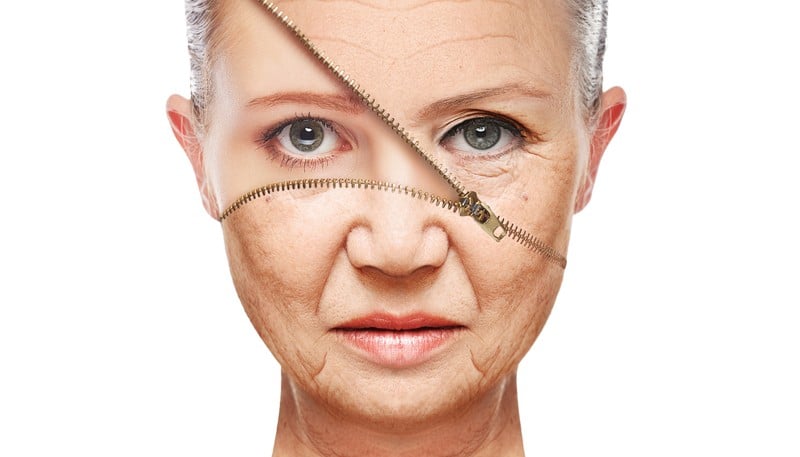
“Zombie cells” may sound like science fiction, but they are very real—and they may be quietly accelerating aging and disease in the body. Zombie cells, formally known as senescent cells, are old or damaged cells that should have died off but didn’t. Instead, they linger. They no longer function properly yet remain metabolically active, releasing inflammatory compounds that damage adjacent healthy cells.
What Are Senescent (Zombie) Cells?
Cells become senescent in response to stress such as aging, toxins, chronic inflammation, infections, radiation, and poor diet. In small amounts, this process is protective, helping prevent damaged cells from becoming cancerous.
Problems arise when these cells accumulate. As we age, the immune system becomes less efficient at clearing them. Senescent cells then release inflammatory chemicals, enzymes, and signals—a process called the senescence-associated secretory phenotype (SASP). Simply put: zombie cells poison their environment.
How Zombie Cells Wreak Havoc in the Body
An excess of senescent cells creates chronic, low-grade inflammation—often referred to as inflammaging. Even more concerning, zombie cells can encourage nearby healthy cells to also become senescent, spreading dysfunction throughout tissues. Over time, this contributes to:
- Accelerated tissue aging
- Joint pain and arthritis
- Cardiovascular disease
- Insulin resistance and metabolic dysfunction
- Immune decline
- Cognitive changes
- Skin aging and slower healing
A Functional Medicine Perspective
Conventional medicine often treats age-related conditions one at a time—arthritis, heart disease, metabolic issues, and cognitive decline. Functional medicine asks a different question: What underlying process connects them? Cellular senescence is one of those root drivers.
When zombie cells accumulate, they fuel inflammation and tissue breakdown across multiple systems. By reducing cellular stress, supporting immune clearance, calming chronic inflammation, and strengthening repair pathways, we move from managing symptoms to supporting healthier aging at its source.
How the Body Clears Zombie Cells
Your body has built-in mechanisms to manage senescent cells, specifically the immune system and autophagy—the body’s internal cleanup and recycling process. The goal is to support these systems.
Helpful strategies include:
- Nutritional support. Certain plant compounds, called senolytics, help the body identify and clear senescent cells. These are found in foods like berries, apples, onions, green tea, and cruciferous vegetables. A lab-tested polyphenol-rich olive oil is another great weapon. A colorful, plant-rich, anti-inflammatory diet supports daily cellular cleanup.
- Intermittent fasting. Periods without constant food intake stimulate autophagy and cellular repair. Intermittent fasting activates pathways that promote the clearance of damaged cells. In some cases, we may recommend the ProLon® Fasting Mimicking Diet, a medically designed 5-day program that supports autophagy while still providing nourishment.
- Regular physical activity. Exercise improves immune surveillance and metabolic health and has been shown to reduce senescent cell burden, particularly in muscle and metabolic tissues.
- Reducing toxic load. Environmental toxins increase cellular stress and accelerate senescence. Clean food, filtered water, reduced chemical exposure, and liver-supportive habits help slow the creation of new zombie cells.
- Targeted supplements (when appropriate). Used strategically and personalized, certain supplements may support senescent cell clearance and reduce inflammatory signaling, including quercetin, curcumin, EGCG from green tea, and resveratrol. Allow one of our medical providers to guide the best selection for you.
Putting it All Together
Aging isn’t just inevitable decline—it’s shaped by daily choices that affect your cells. Zombie cells may sound alarming, but the empowering truth is this: your body can manage them when given the right support. By lowering inflammation, supporting detoxification, staying active, and nourishing your cells, you can help clear what no longer serves you—and make room for healthier, more resilient aging. Because the goal isn’t just living longer. It’s living better—right down to the cellular level.
Attack the zombies! Age Well. Be Well.
References (APA)
Baker, D. J., et al. (2016). Naturally occurring p16Ink4a-positive cells shorten healthy lifespan. Nature, 530(7589), 184–189. https://doi.org/10.1038/nature16932
Campisi, J., & d’Adda di Fagagna, F. (2007). Cellular senescence: When bad things happen to good cells. Nature Reviews Molecular Cell Biology, 8(9), 729–740. https://doi.org/10.1038/nrm2233
Franceschi, C., et al. (2018). Inflammaging and age-related diseases. Nature Reviews Endocrinology, 14(10), 576–590. https://doi.org/10.1038/s41574-018-0059-4
Kirkland, J. L., & Tchkonia, T. (2020). Senolytic drugs: From discovery to translation. Journal of Internal Medicine, 288(5), 518–536. https://doi.org/10.1111/joim.13141
Zhu, Y., et al. (2015). The Achilles’ heel of senescent cells. Aging Cell, 14(4), 644–658. https://doi.org/10.1111/acel.12344
Hewlings, S. J., & Kalman, D. S. (2017). Curcumin: A review of its effects on human health. Foods, 6(10), 92. https://doi.org/10.3390/foods6100092